Troy Basso Outdoors
"Capturing the outdoor lifestyle"
Mill Creek: Hidden in plain sight.
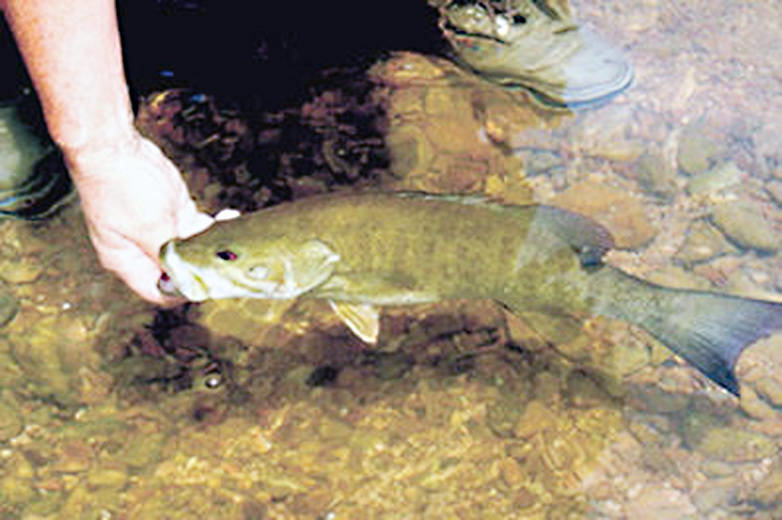
I wish I could say Mill Creek gained its national notoriety from being a “jet setter” destination.
Unfortunately, Mill Creek gained national attention in May 2010 as it was the first Metro Nashville river to come out of its banks during the massive floods of 2010. Mill Creek runs through Nolensville and south Nashville, where it then empties into the Cumberland River.
Many years ago, more than a decade from this writing to be exact, I asked a local fishing shop about fishing this small creek and they told me it was “okay” if you don’t mind wading around old engine blocks. Well, I thought it a little odd to be discouraged by a fishing shop, so I fished it that night… and at least three times a week for many years.
Starting south of Nolensville, the creek is deeper and slower than most middle Tennessee creeks. The access is not too bad and there are several public access points.
Fishing paradise
The fishing here is great, especially for bluegill and smallmouth bass. Other species include largemouth and a few spotted bass.
The smallmouth are the biggest reason to fish this creek. They don’t get the pressure that the more popular creeks and rivers do in this part of the state. The creek itself looks like just another creek in an urban environment.
In January and February, you can catch a few on swimbaits if the flows are up. Your best bet this time of year is to trout fish for the smallmouth. That means smallish spinner baits and crank baits.
Once March and April arrive the fishing will pick up exponentially, assuming the rains don’t come too often or too heavy. Due to the surrounding terrain, Mill Creek is especially sensitive to rainfall and runoff.
Summer fun
June and July are two of the best months to fish the creek. The waters stay cool and the bass really turn on.
A great starting place, as far as lure selection, is always a tube jig. These give you the ability to have a gentle presentation and they come in all the right colors. Anything that resembles a crayfish is just fine.
During the blistering heat of August and September the little creek still produces, but you have to work harder.
There are plenty of stoneroller minnows and they become the predominant forage during the summer. A white or gray Rapala style crankbait is a great imitation.
Super month
October is probably the best single month for fishing here. A minnow imitation will bring plenty of fish to your hand. The smallmouths have the feedbag on and feed aggressively.
Things slow down a little in November and December but the fishing will remain above average until the water temperatures drop below about 50 degrees.
This creek looks small and very non-intimidating to the unfamiliar onlooker, in places it begs a lure be thrown into a current seam, but this stream is very susceptible to flash flooding and has taken several lives over past years during high water.
Black Bear Encounters in the Eastern US: Safety Tips and Campsite Strategies

The eastern United States is home to a thriving population of black bears, providing nature enthusiasts with the opportunity to witness these majestic creatures in their natural habitat. While encounters with black bears are generally rare, it is essential to be well-prepared and educated on how to handle such situations responsibly. This article aims to provide insights into black bear encounters in the eastern US and offer tips on how to ensure both human and bear safety, especially in a camping setting.
Understanding Black Bear Behavior
Black bears are generally shy and tend to avoid human interaction. However, it’s crucial to be aware of their behavior to minimize the risk of accidental encounters. Bears have an exceptional sense of smell, and they are often attracted to the scent of food from considerable distances. Knowing this, campers can take specific precautions to prevent bears from approaching their campsites.
Encounter Tips in the Wild
- Remain Calm: If you encounter a black bear in the wild, remain calm and avoid running. Running may trigger the bear’s chase instinct, and they can outrun humans. Instead, speak in a calm, firm voice to let the bear know you are there.
- Make Yourself Known: Wave your arms slowly to make yourself more visible, and if you have bear spray, get it ready. Bears may be frightened off by loud noises, so consider shouting or clapping your hands to alert the bear to your presence.
- Do Not Approach: Maintain a safe distance. Approaching a bear, especially a mother with cubs, can be dangerous. Keep at least 150 feet away and avoid getting between a mother and her cubs.
- Back Away Slowly: If the bear hasn’t noticed you, back away slowly while keeping an eye on it. Avoid turning your back and continue speaking in a calm manner.

Campsite Tips to Deter Bears
- Proper Food Storage: Store all food items securely in bear-resistant containers or use bear bags hung from a tree at least 10 feet off the ground and 4 feet away from the trunk. This prevents bears from associating campsites with easy food sources.
- Cooking Away from Sleeping Areas: Never cook or eat in or near your sleeping area. Designate a separate cooking and eating area, preferably downwind from your sleeping area, to minimize food odors near your tent.
- Clean Up Thoroughly: Dispose of food scraps and garbage in designated bear-proof containers. Wash dishes and utensils thoroughly, and avoid leaving any food residue on cooking equipment.
- Avoid Strong Smells: Avoid bringing items with strong odors, such as scented toiletries and heavily perfumed products. Bears have an acute sense of smell and may be attracted to these scents.
Encountering a black bear in the eastern US can be an awe-inspiring experience, but it’s crucial to prioritize safety for both humans and bears. By understanding bear behavior, following encounter tips, and implementing proper campsite practices, outdoor enthusiasts can coexist harmoniously with these remarkable creatures while minimizing potential risks. Remember, responsible actions in bear country contribute to the conservation of these vital species and ensure that future generations can enjoy the beauty of the natural world.
Unleash the Reel Magic: Gulf Coast Classic Fly Fishing Festival 2024
Gear up, anglers! The Gulf Coast Classic Fly Fishing Festival is back, and it’s bigger and better than ever. Mark your calendars for May 3rd and 4th, 2024, as fly fishing enthusiasts from far and wide gather at the scenic Gulf Shores State Park in Alabama for a two-day celebration of the art and thrill of fly fishing.
Nestled amidst the breathtaking landscapes of Gulf Shores State Park, this year’s festival promises an unforgettable experience for both seasoned fly fishermen and newcomers to the craft. The park’s serene surroundings provide the perfect backdrop for a weekend filled with camaraderie, education, and, of course, incredible fly fishing.
Lodging:
For those seeking a seamless festival experience, The Lodge at Gulf Shores State Park offers comfortable and convenient lodging options. Immerse yourself in nature without sacrificing the comforts of home, and make the most of your stay in close proximity to the festival grounds. Book your accommodations early to secure your spot and ensure a restful night’s sleep before each day of excitement.
Fly Tying Demos:
One of the festival’s highlights is the exclusive fly tying demonstrations including none other than yours truly, an experienced and passionate fly fishing expert. Join Troy Basso Outdoors] in the afternoons of both festival days as I shares insights, techniques, and the artistry behind crafting the perfect fly. Whether you’re a novice eager to learn the basics or an experienced angler looking to refine your skills, these demos are not to be missed.
Why Attend?
- Networking Opportunities: Connect with fellow fly fishing enthusiasts, industry experts, and vendors. Share stories, swap tips, and build lasting connections with like-minded individuals.
- Education: Attend workshops and seminars covering a range of topics, from casting techniques to conservation efforts. Learn from seasoned professionals and gain valuable insights to elevate your fly fishing game.
- Vendor Exhibits: Explore a variety of fly fishing gear, accessories, and apparel at the vendor exhibits. Discover the latest innovations and get your hands on quality products from leading brands.
- Scenic Beauty: Gulf Shores State Park provides a stunning natural setting for the festival, creating an immersive experience that goes beyond the thrill of fishing. Take in the beauty of the Gulf Coast and appreciate the environment you’re there to protect and enjoy.
Don’t miss out on the Gulf Coast Classic Fly Fishing Festival 2024 – a celebration of passion, skill, and the great outdoors. Secure your spot, book your stay at The Lodge, and get ready for a weekend filled with unforgettable moments on the water. Join me at the fly tying demos, and then drop by the On the Fly Magazine booth to talk all things fly fishing, and let the Gulf Shores State Park be the backdrop to your next fly fishing adventure. See you there!
Duck River/Normandy 4/8/24

While the world was enamored with the big eclipse I took advantage of a rare weekday off and headed to the Duck river and then Normandy lake.
As I approached the river, I noticed a subtle change in its demeanor. The water levels were slightly higher than usual, and there was a hint of opacity, as if the river had absorbed the essence of the recent rainfall. Nevertheless, undeterred by these nuances, I eagerly prepared my gear, anticipating the treasures that lay beneath the surface.
Armed with a box of nymphs and #10 olive streamers, I prepared myself for a mediocre day of fishing but was pleasantly surprised with enough trout to call it a good day. Despite the stained waters, the trout were in a cooperative mood, graciously accepting my offerings. With each tug on the line, I felt a rush of excitement, reveling in the primal connection between man and nature.
As I continued my pursuit upriver, the realization dawned upon me that the window for trout fishing was narrowing. With the impending warmer temperatures, the good trout would soon be all but gone until the next season beckoned. Yet, for now, the fair fishing conditions persisted, and I cherished every moment spent in their company.
With the sun beginning its descent towards the horizon, I decided to explore the shores of Normandy Lake, a stone’s throw away from Duck River. Here, amidst the rip rap shoreline near the dam, a different challenge awaited me – the pursuit of bass. Armed with larger topwater patterns, I sought to entice the largemouth lurking beneath the surface.
To my delight, the bass were receptive to my offerings, particularly the formidable #2 gurgler in purple and brown. The water erupted often enough that I stayed on a 30-yard stretch of shoreline for over an hour. The thrill of the chase was enough to remind me about the things in life that really matter like a good bird dog, a fine fly rod, and the peace that one can only find when the get outside.
But the largemouth bass were not the only inhabitants of these waters. Amidst the rocky terrain, I encountered a couple smallmouth, their bronze bodies blending seamlessly with the rip rap covered lake bottom.. With #6 tan woolly buggers as fly of choice, I managed a couple smallies before I broke off on a third and called it a night.
As the golden hues of dusk enveloped the landscape, I reflected upon the day’s adventures with a sense of fulfillment. The Duck River, with its mysteries and marvels, had once again bestowed upon me moments of serenity and exhilaration. In its depths, I had found not only the thrill of the catch but also a profound connection to the natural world—a connection that lingers long after the lines have been cast and the fish released back into their watery domain.
True Companions “Life in the field and home with our hunting dogs”

In today’s world of E books and books written with Artificial intelligence the literary world has become very diluted. Yet with all the technology occasionally, a true piece of outdoor literary art rises above all the tech. This book did exactly that and much more.
True Companions is a look into the world of bird dogs, both in the field and at home. It explores the emotions that these wonderful creatures elicit from their human counterparts. Mr. Madson introduces us to his bird hunting partners, both two and four legged, as he provides the reader with a glimpse into a life with bird dogs.
You get to meet the young guns and old veterans alike. He speaks of his dogs like most people speak of their human children. His portrayal of upland hunting, dogs, and people is both mentally stimulating and will evoke emotions that all bird dog owners can grasp. As you read through the book you find yourself feeling happy, sad, crushed, and oddly at peace with it all.
I read the book a couple times in a week and my favorites were the chapters on the Model 21 and cranberry chocolate chip bread. The book is written in a style that flows well, is pleasant to read, and is captivating. It is by far the best upland read, that’s not about telling you HOW to do something, in the previous decade. The book is available at both Amazon and Barnes and Noble.
 Troy Basso Outdoors