Troy Basso Outdoors
"Capturing the outdoor lifestyle"
Pickwick Lakes bronze bombs of fall.
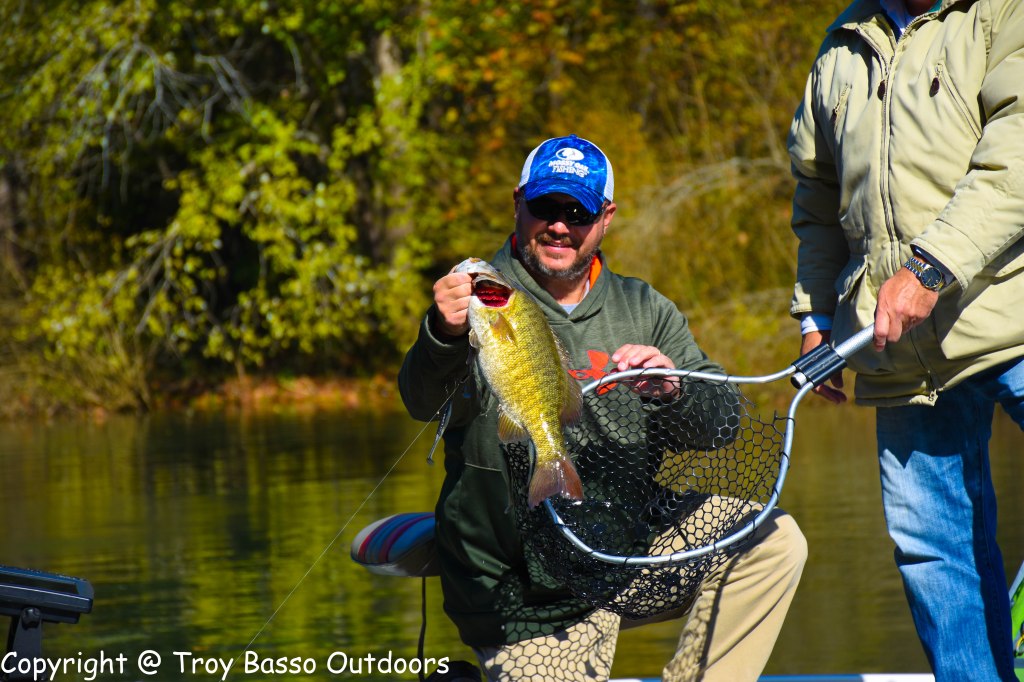
The great thing about fall on Pickwick lake is that the largemouth really put on a show. From shallow water cranking to blowing up on hollow bodies frogs it’s almost nonstop action. After All that’s what we have become famous for, but according to B’n’M pro Brad Whitehead fall is when our world class smallmouth fisheries come into their own as well. Brad is a guide on Pickwick Lake, and says when the evenings turn cooler it’s time to get after the brown fish. Of course, even though the first day of fall is September 22nd its mid-October before things get started. It takes 7-10 days of cool nights to impact water temperature but when it finally does drop the smallmouth really put on the proverbial feed bags.

According to Whitehead there are three key factors in finding and catching fall smallmouths. The first and arguably most important is current. The fishing is mediocre with little to no current but picks up in relation to the flows. This is because the current moves the bait down the edges of any current break. Since smallmouth are ambush hunters they will lie in wait for the bait to come to them. This gives the fish a chance to lie in, or behind, a break in the current. The fish get the benefit of moving bait but won’t have to fight the current to catch it.
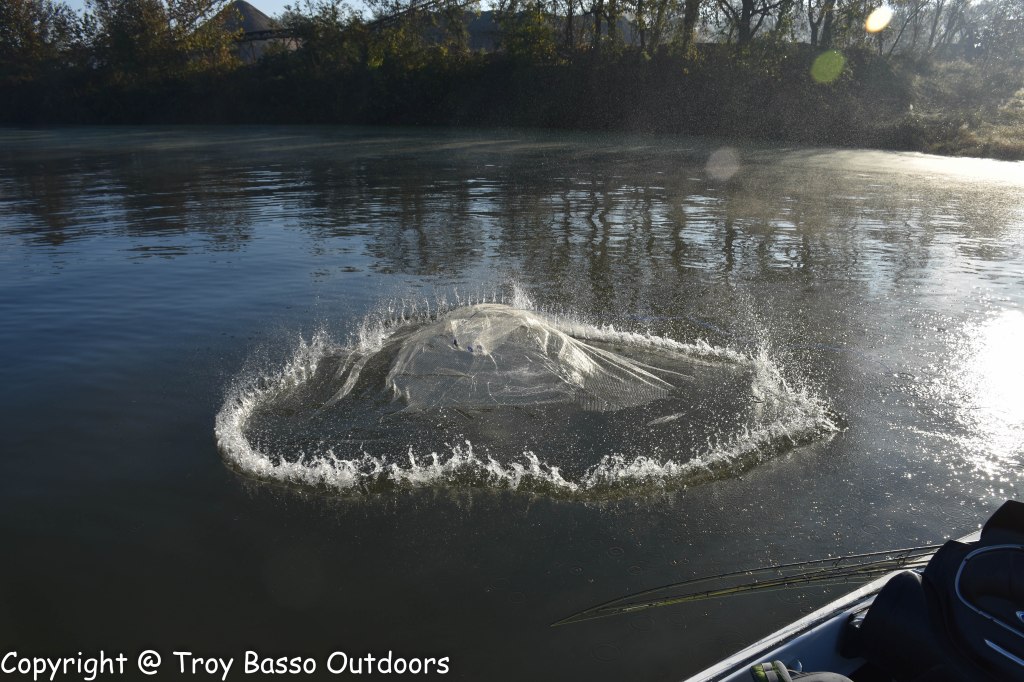
The second factor here is structure and cover. Smallmouth prefer a different type of these than their cousin the largemouth. Whitehead says in the fall he looks for major breaks in the river flow. His favorite is the numerous shell mounds, which are apparently old Indian mounds that were flooded years ago. Second are creek arms where a hungry smallmouth can hold in the slack water in the creek, and still have access to the bait moving downstream in the main current. Last, but not least, are the rock walls and jetties below the many dams on the river.
The third factor is presentation. Since the primary forage in Pickwick Lake, in the fall, are threadfin shad he tries to stay close to that. However smallmouth always love a crayfish so he advises to keep one of those tied on as well. Presentation is slow and methodical. Make sure your baits are right on top of any break in the current, so the fish can see them.
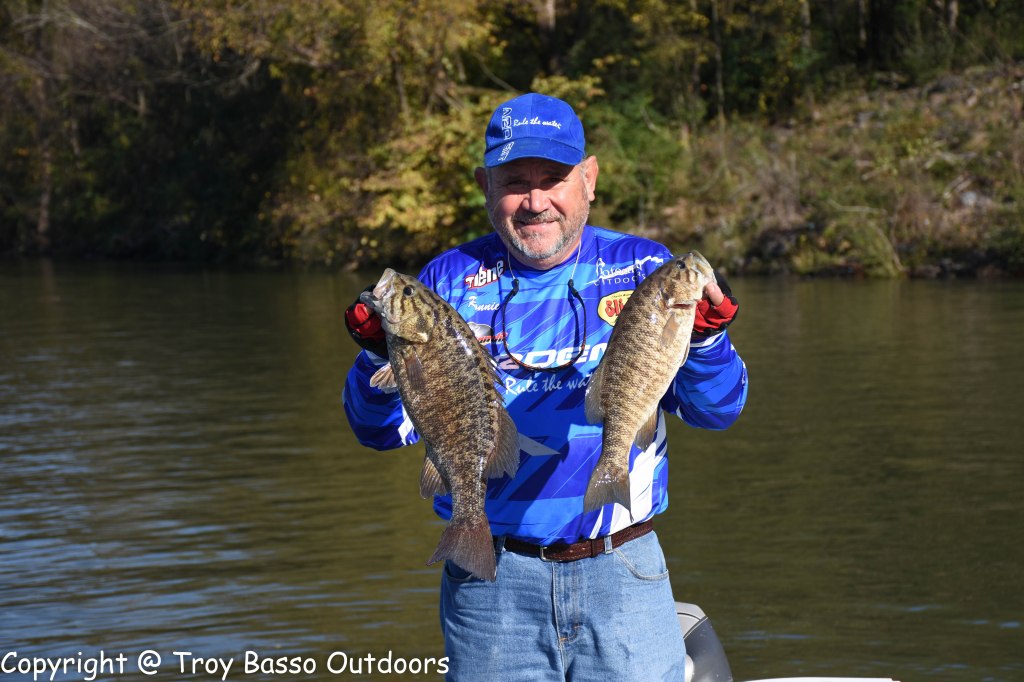
When asked about baits his advice was very straight forward. If your going to fish live bait it’s nearly impossible to beat live threadfin. If you can’t get those look for bass shiners 3.5-5 inches long, they are almost as good. Most bait shops on the river should have them all winter. Equipment for fishing the live bait is a 6.6 to 7-foot spinning rod, reels just need to have a good drag, as you will be fighting both the current and the fish. Line is a little different on the live bait rods as he prefers a high vis line. Even in clear water Whitehead feels the ability to detect a strike outweighs any perceived negatives about colored line.
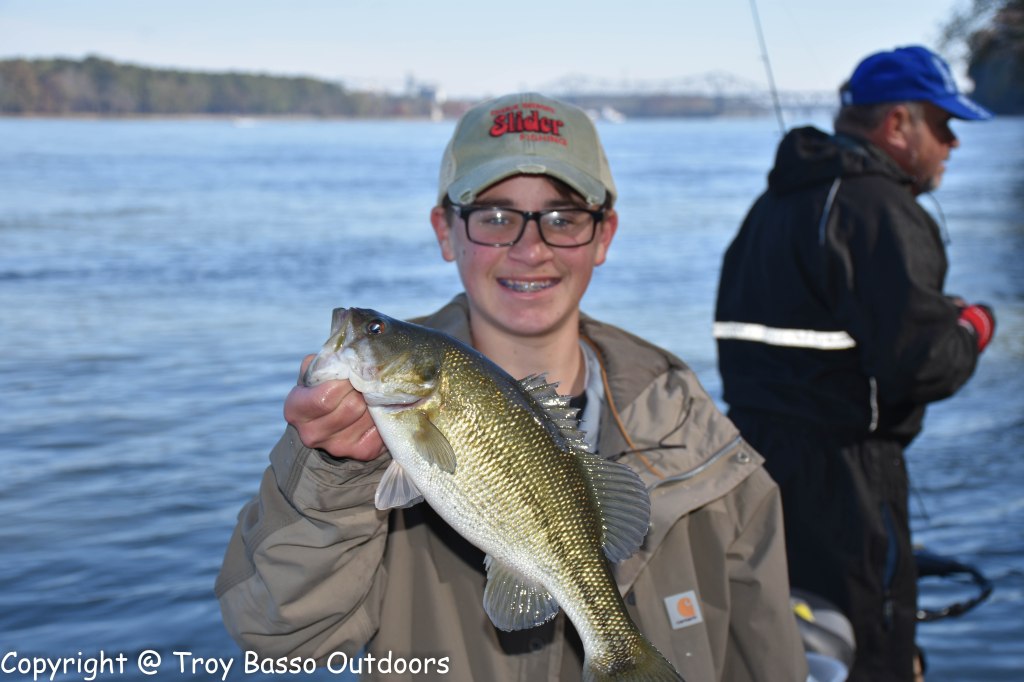
When he uses artificial baits the Charlie Brewers 3.5-inch shad paired with a 1/4 to 1/2 ounce unpainted jig head is his go to lure. It mimics our native shad very well and has a very natural swimming action. Second is a ¾ ounce football head jig in Green pumpkin or blue/black. These get paired with a matching crayfish trailer. This combo allows him to probe deeper structure in the current. Last but certainly not least, is a bait that has been catching smallmouth since the day it hit the shelf, a 3 to 4-inch curly tailed grub paired with a ¼-ounce unpainted jig head.
If your interested in a trip with Brad Whitehead Fishing can be reached at 256-483-0834 or on Facebook under “Brad Whitehead Fishing”
Tilapia in Tennessee
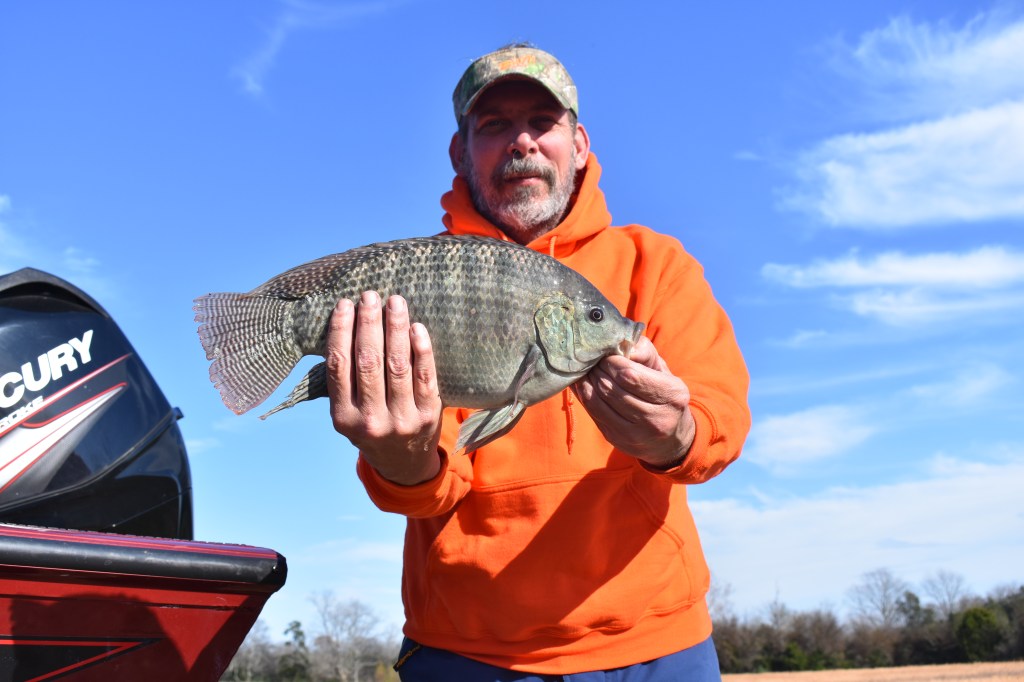
The beauty of being a fisherman lies in sniffing out rumors of either big fish, or big catches of fish. The latest rumor was of big catches of tilapia in Old Hickory Lake. As with all angling rumors it had to be investigated thoroughly. I mean a new fish that, that even though is invasive, is palatable! So we picked a nice day with only 20 knot winds and away we went.

Prior to our trip I was stuck in the Dallas Fort Worth airport for a few hours and decided to look up what I could about this fish. I learned that they don’t tolerate water temperatures below 48 degrees, which explained why they are populating the steam plant and a few creeks with warm water springs in them. I learned they are in fact not a filter feeder, as are the Asian carp. I had also been told they were herbivores when in fact they are omnivores, which is good news for the anglers! It appears these fish will eat a little of everything. I also learned that the Tilapia is the number one farmed fish in the world. A common misconception is that these are Asian fish is totally false. The tilapia is native to the African continent. That said they are farmed heavily thought out Asia at this time. The best anyone can tell me is that these are a cross between the Nile Tilapia and the farm raised fish. Either way we were determined to catch some and see if this rumor was true.
When the morning came is was beautiful and very windy, 12-15 MPH winds all day. We just hoped the steam plant would afford us some shelter from Mother Nature’s wrath. I thought that the wind would have kept most anglers off the water, especially on a Wednesday. I was sadly mistaken, apparently no one in middle Tennessee works on Wednesdays, as there were 15 boats there when we arrived. It did not take a genius to figure out why. We watched those boats landing fish after fish while we were trying to get anchored up.
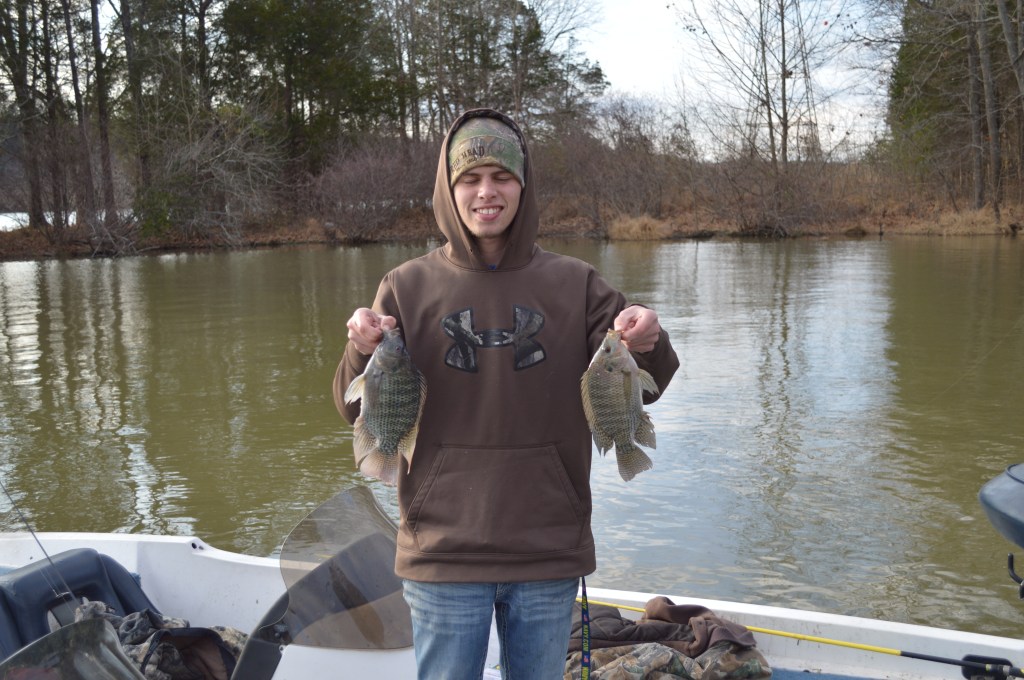
We had been told that the big catches were coming on night crawlers under a bobber, the caveat was you could only use about an inch of the night crawler on a #6 Aberdeen hook. Now I am always skeptical of fisherman giving out information with that much detail but… it was all very accurate. After catching a very small one and a darn fine one I figured out why. The Tilapia has a very small mouth like a bluegill and they simply can’t get anything bigger inside their mouths. That day we caught 50 large fish and let another 50 or more go that were a little too small for my taste.
We went back again a couple days later to try something different. Rather than live bait we used our fly rods with small minnow patterns and it worked fair at best. We also removed the trebles off a Rooster Tail and put a single hook in their place, that was a futile effort as well. I tried small crankbaits that we would normally crappie fish with but those did not produce well at all.
So all in all these fish are palatable, very catchable, and just plain fun to chase. Will they stay is the question that keeps coming up and only time will tell. We do know that they were washed into the lake during the flood of 2010 and have survived that long so who knows. Right now, they are here and willing to bite so “Get out and fish”.

Charlie Brewers Slider Company
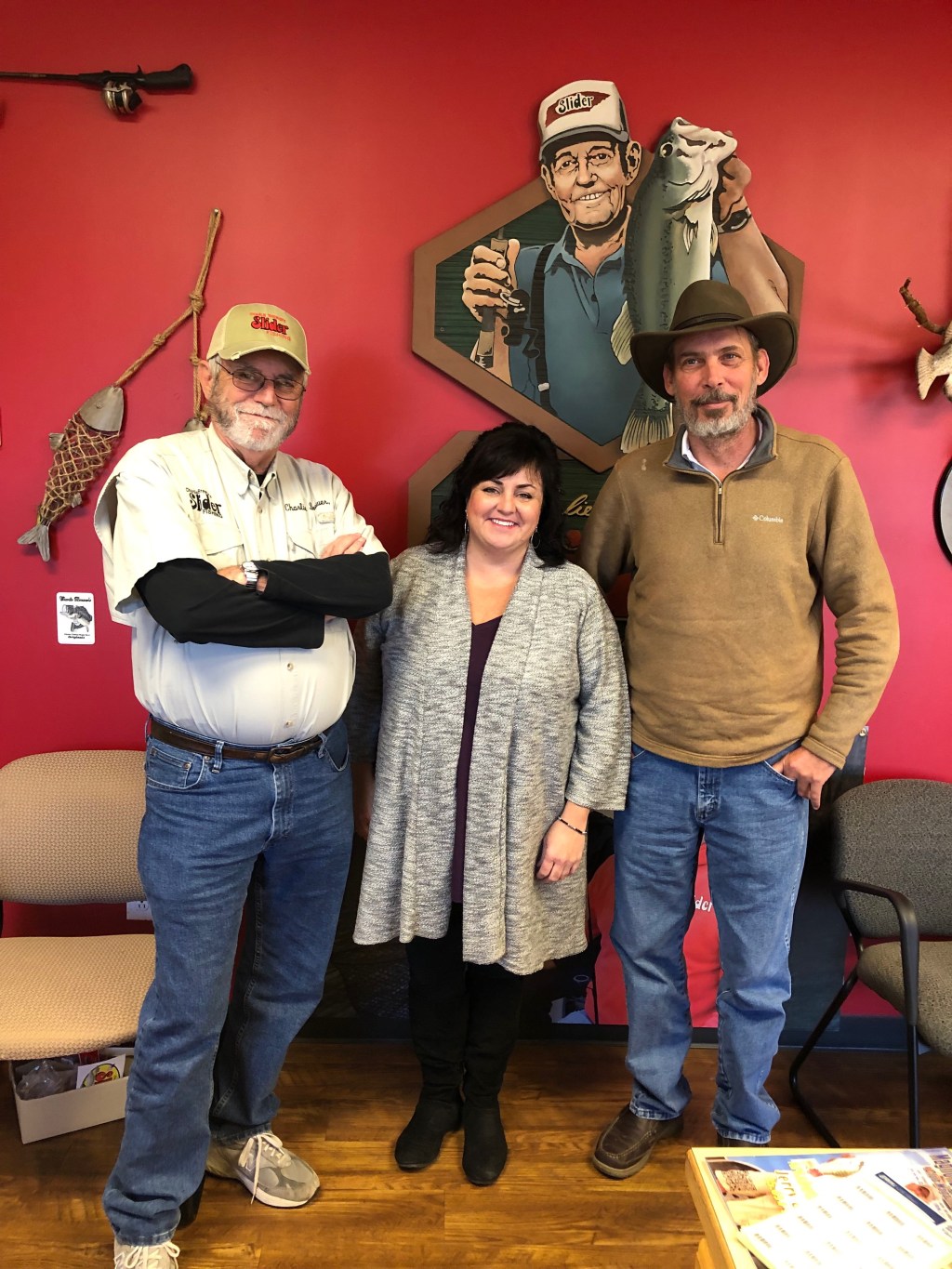
This week I was fortunate enough to spend a morning with Charlie and Caroline Brewer. They have what is probably the oldest, and most established, tackle company in Tennessee.
Slider fishing makes some of the best smallmouth and crappie baits available today. This Tennessee “small business” makes a very large footprint in the angling world.
Tennessee River smallmouth fishing.

I got to spend a day with B’n’M and Charlie Brewer pro angler Brad Whitehead this weekend on Pickwick Lake. There will be a lot more to come about this trip! The Charlie Brewers 6’6 slider rod was absolute poison on these smallmouth.
 Troy Basso Outdoors