Troy Basso Outdoors
"Capturing the outdoor lifestyle"
Understanding Bear Avoidance
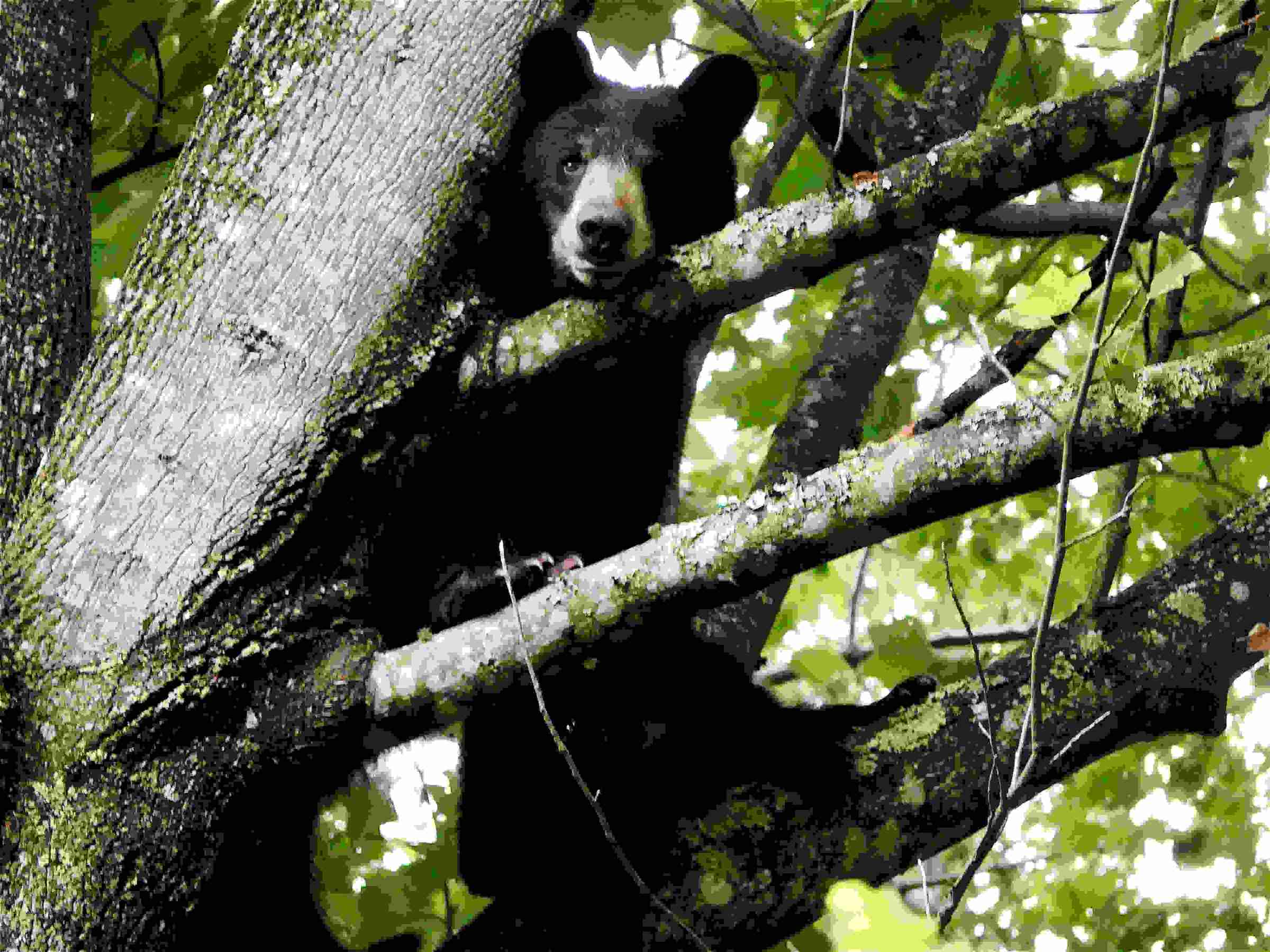
A great portion of the “hills and hollers” here in Tennessee and Kentucky provide promises of adventure, tranquility, and some really remote camping, Fishing, and hunting. Along with those adventures comes something with its own set of wilderness rules, that something is the Black Bear. Bears are one of the main attractions in the Great Smoky Mountains National Park, and they draw quite a crowd during the summer and fall. The bears in Southern Appalachia are perhaps the most “civilized” bears in the country. By civilized I mean not afraid of people. I mean we have all seen the videos of tourists feeding these ‘friendly’ bears. After years of youtube and instagram videos they have been deemed friendly, that could be no father from the truth. Bears are not friendly but they are an extremely intelligent apex predator. They have learned that people nearly always have something good to eat, and that they are willing to give food away. Therefore a solid understanding of bear behavior and preventive measures is paramount to the adventurous outdoor enthusiast.
Bear behavior is pretty straight forward. They are generally shy and prefer to avoid human interactions. Food will override the shyness and bring the animal in dangerously close proximity to humans. It’s at that point that a wrong move can trigger defensive behavior from the bear and also at that point you’re probably too close to do anything about it. Other things that put a bear into a defensive posture are if they are defending, what they deem, a food source such as a cooler full of picnic snacks. A bear with cubs can be extremely dangerous as can be a surprised bear.In short a bear is always dangerous when it’s close to humans so make it a habit to not get close to them when possible.
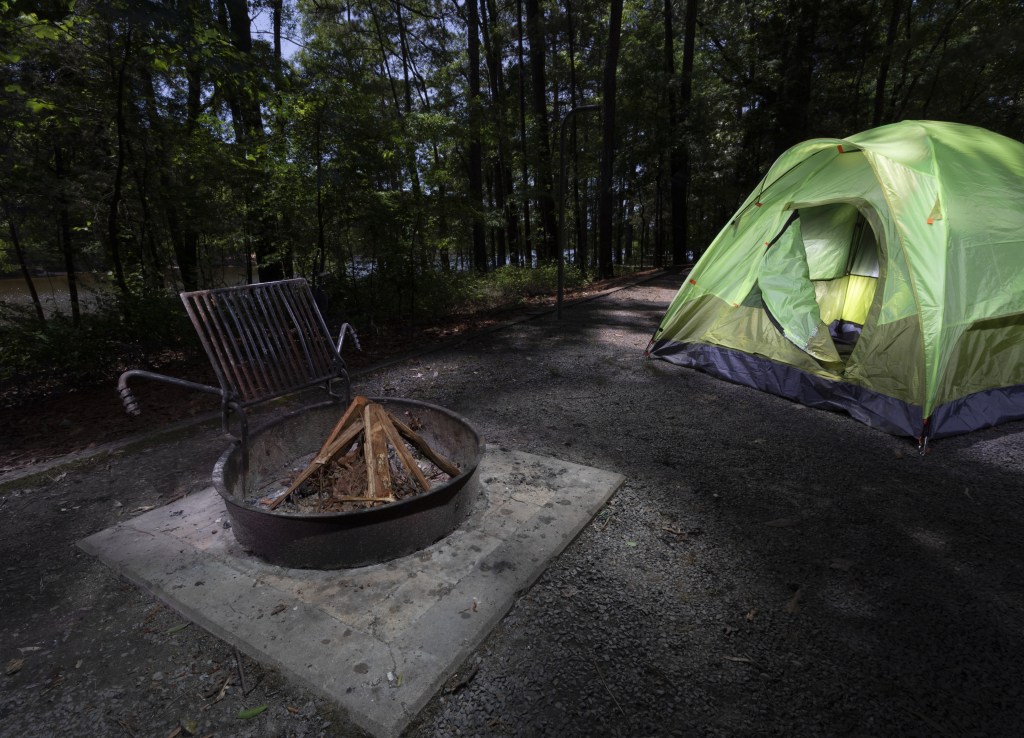
There are numerous things one can do to simply prevent close contact with a bear. Preventive measures will keep you from needing to take defensive measures. Or as an old football coach used to say “ the best defense is a good offense” In this case prevention is your offense. One of the most simple means of bear prevention is noise. As stated earlier a bear is a shy animal and prefers not to interact with humans. If you know you’re in bear country you can talk loudly, sing, clap your hands, anything that will make a nearby bear aware of your presence. A hiker’s bell attached to you or your pack is a great start. Hiking or camping in groups can also be effective as bears will generally avoid groups of humans they encounter in the wild. Whenever possible stick to established trails as the bears already know that humans use these trails and will tend to stay a safe distance from them. Finally, and oddly enough the easiest to to and most common to not do, is proper food storage. The one thing guaranteed to make a bear come close to you is food. When in bear country the how and where of food storage is crucial. All food should be kept in closed, preferably bear resistant, containers, when possible, and all food waste should be removed from any camp sites.If you’re backpacking into the wild you should hang your food from a trees branch high enough to keep it away from the bears, and far enough from where you’re sleeping to keep the bears away from you. No food should ever be kept in a tent with you! A tent wall won’t stop a bear that smells the honey bun you had for a snack.

There are several non lethal options for Bear Defense. Most lethal options are not legal in the parks so we will pass on discussing them. First is bear spray, basically pepper spray on steroids designed for use against bears. It is a great idea to buy 2 canisters and use one to practice with. Second is air horns and whistles. These are good against black bears as they will generally break contact upon loud noise. Third, and mentioned earlier are bear bells. These simply serve as a noise warning to let bears know you are in the area.
The best way to avoid bear issues is simply to avoid bears. Never feed them , store your food properly, and if you encounter a bear simply back away slowly and go around. Most of the bears you encounter don’t want to deal with you any more than you want to deal with them.
Early Season Whitetails: Hunting their stomachs
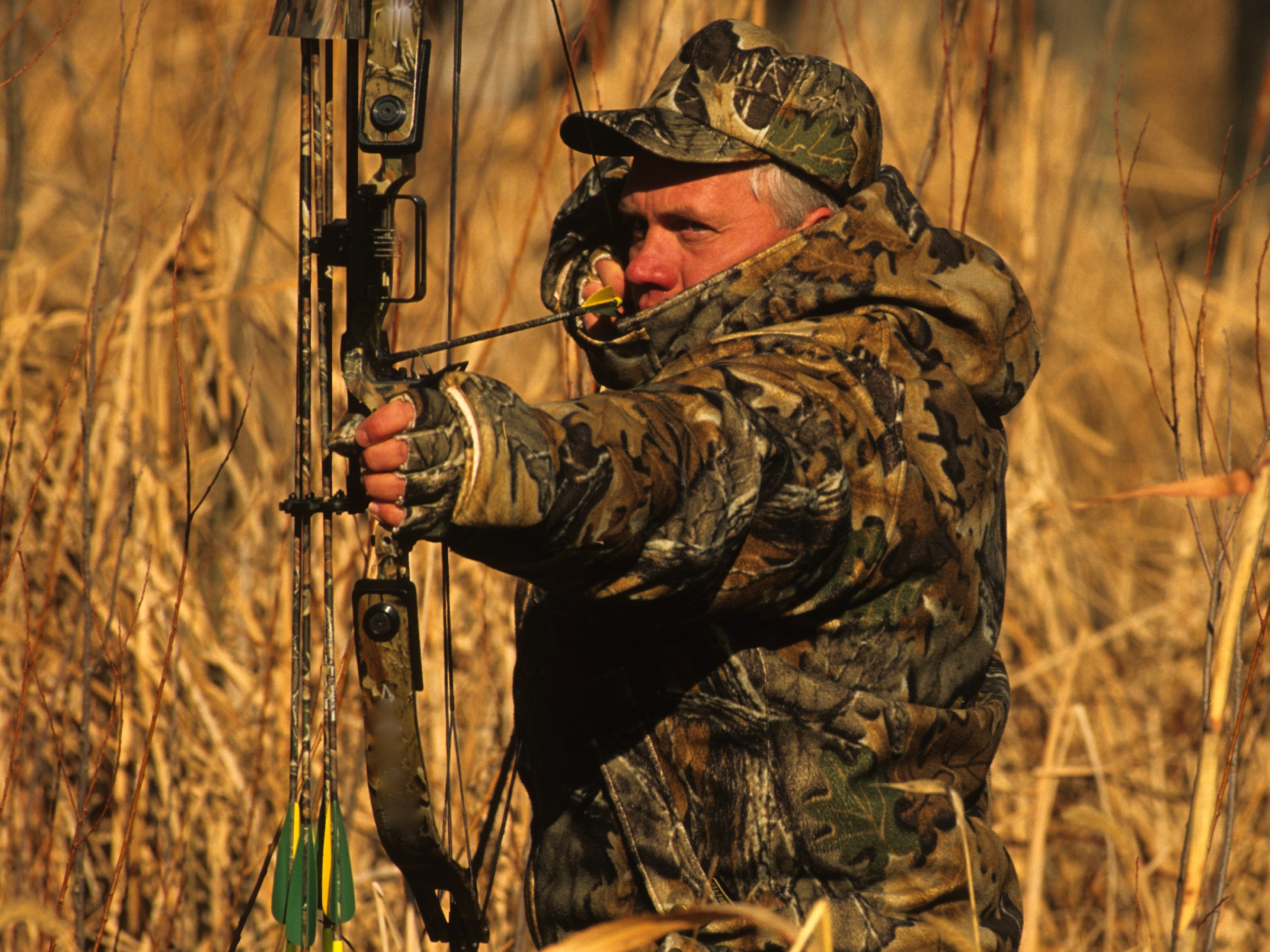
In the mid south we are all well into Archery season for America’s most pursued big game animal, the white-tailed Deer. Most states enjoy a long archery season, sometimes nearly 2-months. However Bow hunting these early season deer is a different game, than the more traditional gun hunting seasons, as the rut had not started yet. So how does one effectively hunt early season whitetails? Well one must understand what drives a deer in the early season, and that would be their stomachs.
The first step is to determine what the deer are eating, as food drives movement in the early parts of the archery season. Food sources will change 2-3 times before the rut. So the early season bow hunter must not only understand the local food sources, but be able to pivot both strategies and stand locations in order to see success.
Agricultural crops
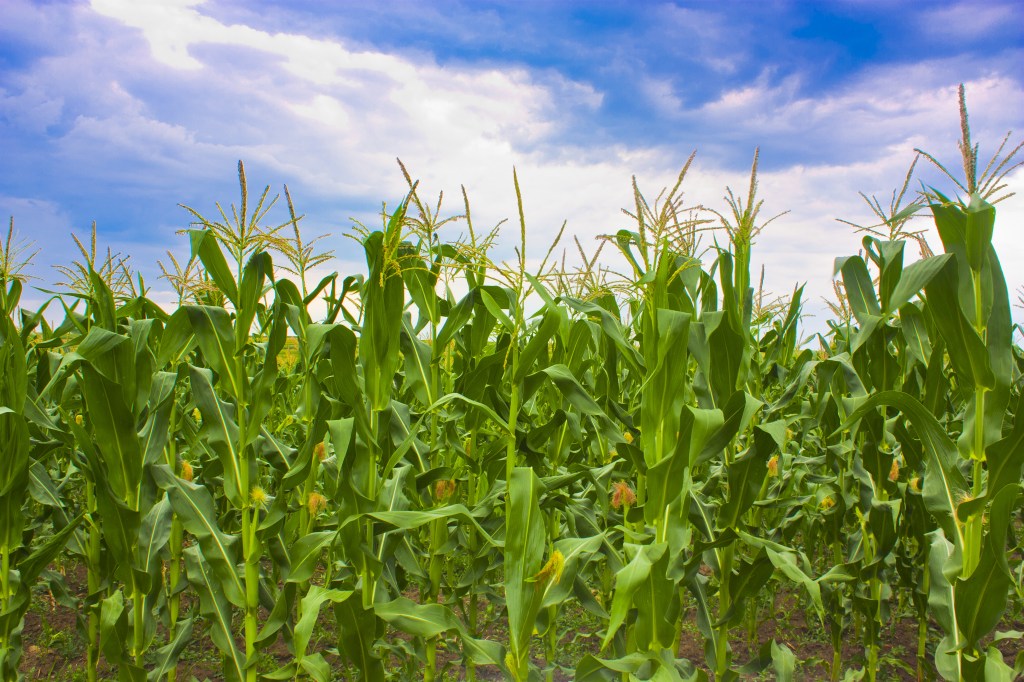
Generally speaking in late September and early October deer are keyed in on agricultural crops. Deer travel from bedding areas to feeding and watering areas with a surprising amount of predictability. Once you determine the travel corridors a good ambush point is not hard to set up. This time of the season is where hunting defined edges is very productive. Deer will use edges, think fence rows, treelines, and ditches that have not been cleaned out, to get from the bedding area to the crop fields. These travel corridors offer a modicum of safety while moving between feeding areas. Even a hard line of trees will become a travel corridor if it offers concealment and an easy get away for the deer.
In late September bean fields are the high value areas. A week or two later we will see a defined move to the cornfields, this should continue for a 2-3 week period. Once the harvest season gets into full swing the deer will start to feed later and later, especially in crop fields adjacent to more urban settings. This should continue until the crops are harvested.
Acorns: The Porthouse of food sources

I shoot a Wednesday night indoor archery league all year, to stay sharp. Late October last season I overheard a young gentleman say “ I lost all my deer and have not seen anything in a week”. He was depressed and thought someone was baiting on an adjacent property and had pulled all of “his” deer away.
The reality was the food pattern had simply shifted from agricultural crops to acorns and persimmons. To be a successful early season bowhunter one must understand that when acorns start falling the diet of a whitetail will shift from crops to acorns, and persimmons if your area has them. If acorns are a steak to a deer then persimmons are a fabulous dessert. Having a stand near woods with plenty of oak trees is paramount to continued success prior to the rut.
During mid season I tend to move from my ladder stands on edges and travel corridors to a more mobile set up. A climbing tree stand will put you in the acorn hunting game. As the different species of acorns begin to fall the deer will move around woodlots to feed. An entire article can be dedicated to the different acorn species in the mid-south but the holy grail of acorns are the white oaks. Once those start hitting the forest floor it’s time to use a climbing stand and stay close to those trees. This is where you will find deer through the rut. They will gorge themselves on the high protein acorns until the credding instinct kicks in.
Bowhunting during the acorn phase of the fall can be a challenge because different acorns fall at different times. Normally the Chinquapin oaks start falling first in middle to late September, These will start pulling deer from the agriculture fields to the woods. In late September/early October the White oaks will begin to fall, at this point is when you will see deer make the big move to the woods. After that the red oaks will start falling in late October. All of the red pack species are high in Tannis, it makes them bitter and less desirable. Historically the deer won’t shift to the red oaks until the white oaks are gone. There is a theory that red oaks have to set through some rains so that the water can leach the bitterness out of them before they are a preferred food source.

Mid season success for a bowhunter can hinge upon their ability to stay mobile. Being able to move between stands of different oak trees is the difference between seeing deer and being close enough to harvest a deer. One may have to move as little as 50 feet or as much as a hundred yards in order to make an effective archery shot. Remember not all trees drop at the same time so one oak tree may be dropping acorns whereas another is not ready yet, hence the ability to move a stand location is crucial when hunting hardwoods. This is also key in years with excessive rain. Acorns are subject to rot and mold, as is any food in a high humidity environment. At times a certain group of trees may have acorns that rot before they fall and the deer wont key on them.
Persimmons: The fanciest dessert in the south.
While all the Acorn madness is in full swing there is another food source just waiting to mature, and at times cause a need to move your stand for the short term. That is the sweet fruit of the persimmon tree. Once these start hitting the forest floor they become a primary food source, only for a short time but they are the one tree I want to know the exact locations of. In the Mid South this delicacy matures around mid October and starts falling shortly after. A good first frost will accelerate this process. If there was ever a place I want a stand it’s near a persimmon tree that’s dropping fruit. Many bowhunters never see the fruit as it’s consumed as fast as it can fall. This makes a persimmon that’s producing fruit a very high value, and unfortunately short lived, key food source for a bow hunter. One more thing on persimmons is that all fruit is not created equal. Look for large orange fruit that is soft because it’s a ripe and tasty fruit. Unripe fruit is like an acorn, high in tannin and very bitter. Unripe fruit will appear yellow and be very firm.
Success means hunting a deer’s diet.
To have constant, and repeatable success in the early season the prudent bowhunter must have a keen understanding of their local food sources. Crops, acorns, and persimmons are the things that cause deer movement to suddenly change. A hunter’s ability to move with these changes will, in most years, determine their level of success.
Hunt smart, safe, and always wear a safety harness!
Hunting Wild Ginseng in Tennessee and Kentucky

In the backwoods of Tennessee and Kentucky, an old tradition continues every late summer and fall. That tradition is hunting American Ginseng (Panax quinquefolius). To some it’s a side hustle and to others it’s a way of life passed down from generation to generation. Hunting ginseng in the south is woven into the culture of Appalachian living. There were times that hunting ginseng was a crucial component of a family’s income. That still rings true today however, it has become more of a pastime or side hustle to most.
Wild ginseng is a very slow maturing plant that is sought after for its medicinal properties. In eastern Asia it is believed to boost energy, reduce stress, and promote longevity. Wild ginseng is far more valuable than cultivated due to its potency and scarcity.
In Tennessee and Kentucky, the harvest of wild ginseng is regulated to protect dwindling populations. Poaching, overharvesting, and habitat loss have made responsible harvesting more important than ever. The harvest season is September 1st through December 31st. Buying season runs until March 31st. Best time to dig is generally September through mid October. This allows the plant to have already developed its distinct red berries and the roots have reached maturity. Since Ginseng sells by the ounce, allowing the roots to reach optimal size is crucial. Also at this time the leaf structures are still intact making them easier to identify.

In most states, plants must have a minimum of three leaf clusters (prongs) and be 5 years old or older to be harvested. The smaller plants need to be left in order for propagation of the plants to continue. The two primary contributors to the increased scarcity of ginseng have been, Over harvest and the increase in interest in the outdoors. The increase in users of this resource grew exponentially post covid as well.
Wild ginseng thrives in well shades, moist, and rich soils throughout its range. North or East facing slopes tend to be better locations. Good indicators of a rich soil is when the forest floors are blanketed in old leaves, moss, and fern species. In addition ginseng grows best in areas with sugar maple, tulip poplar, hickory, and beech trees. It’s also common to find it cohabitating with companion plants such as Mayapple, bloodroot, and jack-in-the-puplit. Great Tennessee areas ro begin your search would be on the Cumberland Plateau, the Great Smoky Mountains foothills, and much of Middle and East Tennessee hold ideal ginseng habitat. Remember that harvesting on public land is generally prohibited.
Learning how to Dig, Dry, and store ginseng is key for a gatherer. The tools needed are not all that different from gathering mushrooms. A small screwdriver, a bag to carry the roots, and a good pair of boots, since walking is a key component, is all you need. Once a plant has been harvested alway replace the berries around the base of the plant to insure future generations of ginseng. The old timers had the “half rule” where you only harvest half of the mature plants in a patch of wild ginseng. That rule is even more important today with the popularity of ginseng hunting growing every year. Once harvests clean the roots with a soft brush, never use water or soap to clean. Then allow the roots to dry slowly in a warm,dry, and shaded place. DO NOT try to speed up the process with heat or you will degrade the quality of the roots. Years ago we used to string the roots up on a piece of fishing line and hang them to dry. It was a good method.
In both Tennessee and Kentucky, hunting wild ginseng isn’t just about profit. It’s about tradition, respect for the land, and careful stewardship. This is a legacy that runs deep in the Appalachian foothills. When done legally and responsibly, ginseng digging is a sustainable way to stay connected with the woods, earn some money, and preserve a cultural heritage as old as the hills themselves.
So lace up your boots, grab your walking stick, and head for the hollers.
Book Review: “A life of letters and rivers”

Long ago, when I was a young man. My father said to me “Norman you like to write stories” and I said yes I do. Then he said someday, when you are ready, you might tell our family story. Only then will you understand what happened and why.
Those words changed fly fishing more than any words in history. Simply because the movie “A river runs through it” exposed the world to the universe of fly fishing and rivers. Unfortunately the movie only gave the world a brief snapshot into the life of Norman Maclean. The book “A life of letters and rivers” takes a much deeper dive into the life and times of one of our greatest storytellers.
The book examines the relationship between his life in academia and the connection to Montana. Those pages give the reader a unique view into the man himself. It opens a view to the struggle between life and his ability to eloquently write about that life. Most readers already know about the travesty of his brother’s death, and its impact on the Maclean family. Few know about his emotional struggle while writing his book “young men and fire” which was primarily about the Mann Gulch fire, which killed 13 smoke jumpers in 1949.
Some may say the book delves too deep into his life in academia; however, his time in Chicago is one of the cornerstones that made Maclean who he was.. Rebecca McCarthy did a fabulous job of shedding some light onto the life of Norman Maclean. Through her book she was able to connect the Mountain man, logger, and forest service worker, which at the time included firefighting duties, to the world class author and teacher. I would give the book a 4.8 out of 5.
Review: Douglas Upstream 3wt. 7.5 foot, 6 piece travel rod

The fly fishing industry has struggled to provide a 6 piece travel/backpack rod for many years. They have either been too heavy or the action was about that of an overcooked spaghetti noodle. Most back pack rods were either poor quality or way overpriced for what they were. That conundrum was solved by Douglas Fly Rods. The Upstream 6pc travel rod seems to have all the qualities we need in a travel/backpack style fly rod. It is available in 3 & 4 weights and comes in both 6 and 7.5 foot models.
Since weight is key on travel rods, that was the first focus. The 7 ‘6 rod weighs in at a mere 1.75 ounces. This has been achieved mainly by using sliding reel seats, on elegant cork handles, versus a full on locking seat. It is noteworthy to state that the handles are not overly slim. Too many previous iterations of travel rods have skinny handles that don’t set well in wet hands. The handle is larger, in diameter than most comparable rods, and sets very well in an angler’s hand.
The action of the rod is slower and more akin to a bamboo rod. The energy transfer and action are both due to the use of spigot ferrules, this age old technology makes the fact it’s a 6 piece rod feel non-existent.
As we at On the Fly have stated in many rod reviews testing a rod with only one line is extremely narrow minded. Most all purpose rods get tested with a minimum of 6 lines. However this is a purpose built rod for small water so we aligned the line choices with that in mind. That said, I fished this rod with three lines.
- Rio Selective Trout
- SA Amplitude Smooth Trout,
- Royal Wulff Bamboo Special weight forward.
My favorite for all around small stream fishing was the RIO Selective Trout. It was the most accurate with this rod out to 50-feet, a long cast on small water. The SA and Wulff offerings were both fine lines. However, given the slower action of this rod design and my casting stroke, they just didn’t get it done for me.
Packability is where the rod really shines. These 6 piece rods will sit on top of a backpack and not extend past most users shoulders making it all but impervious to tree limbs, vines and other objects.The tube also fits inside most tackle bags making them as “handy as a shirt pocket” when flying into fishing destinations.

