Troy Basso Outdoors
"Capturing the outdoor lifestyle"
“Battle of the Titans: Sage R8 Salt vs. TFO Blitz vs. Orvis Helios 3D Salt – Which Saltwater Fly Rod Reigns Supreme?”
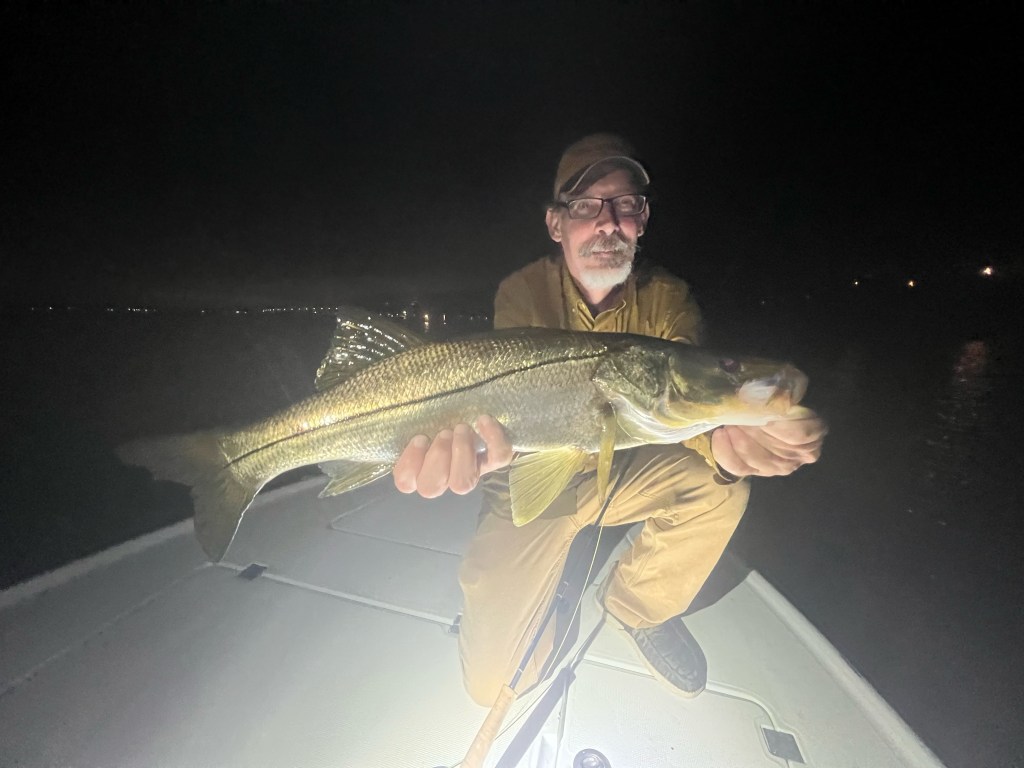
When it comes to saltwater fly fishing, choosing the right fly rod can make or break your experience. The market is flooded with options, but in this blog post, we’ll compare three heavyweight contenders: the Sage R8 Salt, the TFO Blitz, and the Orvis Helios 3D Salt. Each of these rods offers a unique set of features and benefits, making it challenging to decide which one is your ultimate saltwater fishing companion. Let’s dive into the showdown and find out which of these rods reigns supreme.
Sage R8 Salt: The Newcomer with Cutting-Edge Technology
Sage, a renowned name in the fly fishing world, has made waves with the introduction of the Sage R8 Salt fly rod. This rod is equipped with innovative technology, setting a new standard for saltwater fly fishing.
Key Features:
Fast Action Powerhouse: The Sage R8 Salt is designed with a fast action blank, making it a formidable choice for casting in challenging conditions and landing large saltwater species.
The R8 Salt features Sage’s exclusive technology, which enhances accuracy and precision during casting, crucial for reaching distant targets and presenting flies with finesse.
Exceptional Sensitivity: This fly rod is highly sensitive, allowing anglers to detect even the subtlest of strikes, providing an edge when dealing with elusive saltwater species.
TFO Blitz: Affordable Versatility
Temple Fork Outfitters (TFO) presents the TFO Blitz, a reliable and affordable saltwater fly rod designed for versatility and performance.
Key Features:
Medium-Fast Action: The TFO Blitz offers a medium-fast action that makes it suitable for various fishing scenarios, including inshore and flats fishing.
Affordability: One of the main attractions of the TFO Blitz is its budget-friendly price, making it an excellent choice for anglers who don’t want to break the bank while enjoying quality performance.
Strong Backbone: This rod comes with a robust backbone, ideal for tackling saltwater species such as redfish, snook, and tarpon.
Orvis Helios 3D Salt: The Precision Casting Master
Orvis is a trusted name in the fly fishing industry, and the Orvis Helios 3D Salt fly rod continues to reinforce that reputation. Precision casting and performance are its hallmarks.
Key Features:
3D Technology: The Helios 3D Salt boasts advanced 3D technology, which enhances accuracy and power for precision casting and distance. It’s perfect for achieving pinpoint accuracy in saltwater environments.
Top-Notch Materials: Orvis utilizes the finest materials in crafting the Helios 3D, ensuring durability and longevity, even in harsh saltwater conditions.
Exceptional Sensitivity: Anglers will appreciate the heightened sensitivity that allows them to feel the faintest of strikes, making it easier to hook elusive species.
Conclusion
In the battle of the saltwater fly rods, each contender has its strengths, catering to different angler preferences and budgets. The Sage R8 Salt excels with its cutting-edge technology, offering fast action and exceptional sensitivity for seasoned anglers looking to maximize their performance.
The TFO Blitz stands out as an affordable, versatile option that can handle a wide range of saltwater fishing scenarios, making it an attractive choice for budget-conscious anglers.
On the other hand, the Orvis Helios 3D Salt proves its worth with precision casting, top-quality materials, and sensitivity that appeals to those seeking a premium saltwater fly fishing experience.
Ultimately, the best choice among these rods depends on your specific needs, budget, and angling style. No matter which one you choose, these saltwater fly rods are all fantastic tools that can help you master the art of fly fishing in the saltwater realm.
The bushytails of fall
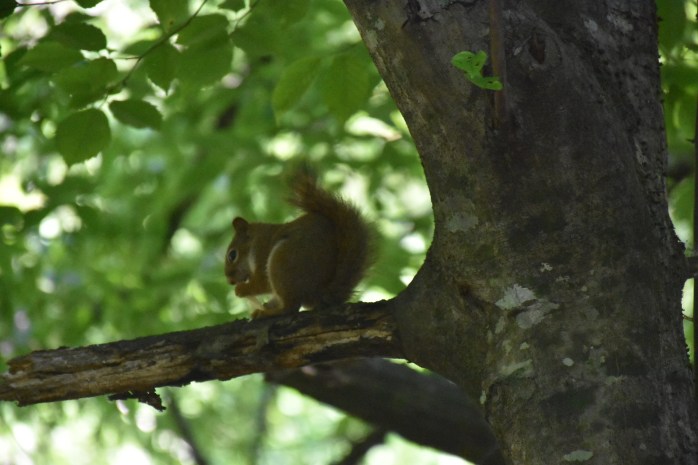
Originally Published in Mid West Outdoors
Many years ago, before the advent of the internet, people used to hunt small game religiously. There was no hype about nonresident tags out west, or a constant visual battery of “how to grow big deer ads flashing across a screen. People used to hunt small game because it was fun and a great way to put some meat in the freezer. Also, this was in part because deer were not as abundant as they are today, and the bag limits were much smaller. There were times in the 80’s just seeing a deer was cause for celebration.
In most southern and mid-western states squirrel season was the first season to open, so most outdoorsmen were eager to pursue the crockpot sized quarry. For the youth of the era hunting squirrels was not only a rite of passage but also a vehicle to learn basic woodsmanship and hunting skills. Squirrels were the gateway to hunting season through most of the 80’s and 90’s.
Here in Tennessee & Kentucky squirrel season starts roughly a month prior to any other season, and the woods are all but empty, except for the occasional soul scouting for the archery opener. I too tend to be scouting for archery season during that time because squirrels and deer both have similar tastes regarding hard mast food sources, I just choose to scout with a 28 gauge in my hands. I do find it concerning that the youth of today won’t have the memories of learning bushcraft from their elders while pursuing a worthy, and plentiful adversary.
My first shotgun came as a surprise gift at the tailgate of my father’s truck during my first opening day hunting trip. That old topper model 20 gauge put a lot of small game in the freezer over the past 40 years. To this day it’s my most treasured memory and shotgun.

On opening day, I always hunt the same piece of public property and I have yet to be forced to compete with any other hunters for a limit of bushytails. Although squirrels are seemingly everywhere they are not dumb nor easy to hunt. There are a few key things that can shorten the learning curve and provide the novice with their first wild game meal.
First is stealth. Stealth is key to a successful fall hunt. Squirrel hunting is more than finding a comfortable tree to lean against. Although low on the modern hunters “hit list” they are a cagey opponent, especially in the typical dry late summer woods. We have all noted how loud a squirrel can sound when we are deer hunting, they sound like an elephant coming across a dry forest floor. Now imagine how we sound to them on the same dry and crunchy leaves of fall. Once you alert a single squirrel in a given woodlot, they will use vocals and let every other animal in the area know something is not right. While watching a hickory tree one day a bobcat wandered through the area and a single squirrel saw him. In a few seconds, and a bark or three, the entire woodlot had gone silent and still. Squirrels in the big woods are not the same as the ones your dog chases in the park for sure. Their survival depends on their ability to see and warn others of a predator’s presence.
Location is next in line. The most successful fall hunters typically focus on soft mass and crop edges in the very early season. Early in the season the mast crops are not mature and ready for consumption. Conversely the farm crops and wild berries are ready. After that Hickory nut trees are the most productive place to look. Then shortly after piles of cuttings start showing up under the hickory trees the white oaks will be ready. Fall is stockpile time for squirrels so focusing on hard mast food sources will almost always produce a limit of nice young gray squirrels.
Last but most certainly not least is to learn to use a call. Squirrels are very vocal animals and will readily react to a call. Now, they won’t come running like a predator to a prey call. They will react and that reaction is all you need. A squirrel will almost always reposition itself to face the direction of a bark or squeal. That movement can be the game changer when the trees still have all their leaves. Use the call to solicit movement and possibly a vocal reply. I have started using the Primos Squirrel buster call. It’s simple to use and fits in your pocket.
If your quarry is big old fox squirrels, you may have to get even more of the beaten path. They tend to stay in the far reaches of big hardwood hollows and way back in river bottom flats that have stretches of hard wood trees close to a water source. So, get out and start chasing the abundant small game opportunities we have, even better if you take a youngster out and introduce them to the time honored art of small game hunting.
The ultimate wingshooting practice
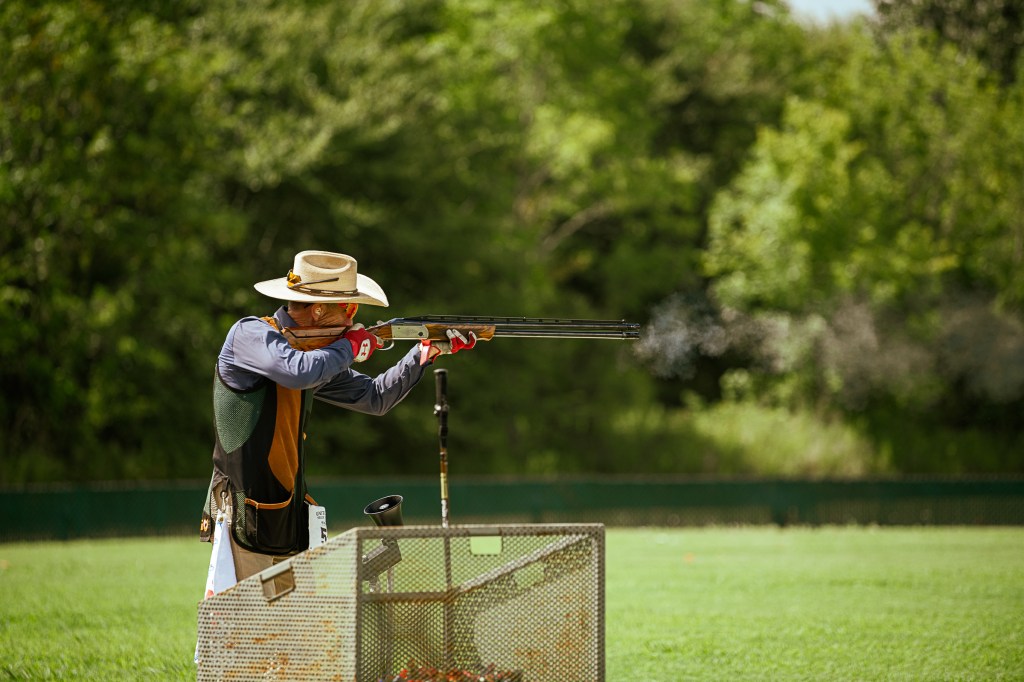
Originally Published in On the Fly Magazine.
Technology has always crept into the outdoors over time, but never like the past 20 years. I still remember when clay pigeon throwers had a pull rope to launch the bird and you had to manually cock them. Then came along some more modern technology that took skeet and trap to the next level. Sometime after that I recall hearing about a thing called sporting clays where there were multiple stations with multiple machines, and you got a different shot at each station. After my first humbling round of sporting clays, I was like “wow” this must be the most realistic way to improve your wing shooting. As the machines got better, the courses got harder and we could not imagine a better was to improve your real-world wing shooting skill set. It was as if we reached the pinnacle of wing shooting practice. Then somewhere along this journey to chase birds around the world I came across a Helice field… That day changed the way I approached wing shooting practice forever.
The sport of Helice originated in Belgium at some point in the 1960’s. Mainly to be a substitute for shooting live birds. Even though Helice is considered a part of the clay target sports there are no clay targets. The term “Helice” means rotating propeller, hence the shape of the assembled target and their propensity to fly extremely erratic.

The targets are two pieces of plastic. One is a set of “wings’ ‘ and the other is the cap. For a shot to be counted the two pieces must separate, and the center cap must fall inside the Helice field. Due to the wings the target flies as close to a live bird as you can get. Even when the same target launches twice in a row the shooter can’t predict the path it will take. This is in part with the speed at which the target is launched. The launcher spins the target at around 5000 RPMs prior to release. The release mechanism is like trap in that a speaker is placed at the shooter’s station. The shooter simply has the say “pull” or anything for that matter to launch a target. In trap there is a single machine so a shooter has a starting point from where the target will come from. In Helice there are 5 launchers in a row placed 5 meters apart. Once the shooter says pull, a computer randomly releases a single bird from one of the five launchers. The Fence is 21 meters past the launchers and the witness cap portion of the target must fall within the fence to score a hit. This is an extremely fast sport and that’s what stumps most new shooters. If you ever wanted to truly learn what instinctive shooting means a Helice field will be your instructor. Many good sporting clay shooters struggle with Helice because there are no breakpoints or hold points. The multiple launchers and erratic flight make this sport the current ultimate challenge with a shotgun.
In Helice a round is called a “race” and consists of 30 target presentations. Each presentation is allowed two shots. The race is fast and getting a second shot off is, at times, a serious challenge. A race is broken down into five sections that are called “cranks”. A crank is five target presentations, or up to 10 shots. You rotate out after your crank 6 times to complete a race.
Most shooters prefer over and under shotguns simply for the ease and reliability of a second shot. Plus, there is the fact a shooter can only load two shells per presentation. Helice is generally a 12-gauge game when it comes to competition shooting. However, this can be shot with any gauge as practice for upland bird hunting. I have personally had great training sessions using my Beretta 686 in 28 Gauge. (There is a whole story in the ballistics of a 28 versus a 12 gauge)
The sport of Helice is sanctioned through FITASC and there is a world championship held every year. The team is selected based on performance at several qualifying events held throughout the year. Most of your great shooters are from the southern United States, only because that is where the lion’s share of the Helice Fields are currently located. You can find a list of Helice fields on the United States Helice Association website. If you want a true challenge and a fabulous time, give Helice a try!
Bass on the fly to beat the summer heat

Originally published in Mid West Outdoors
In my home state of Tennessee July may be considered early summer but, the heat and humidity are simply brutal. That heat can make fly fishing for bass very tough on the bigger lakes in the area. High water temps coupled with bright sunny days make fishing tough, not to mention the volume of post covid pleasure boat traffic. I learned years ago to fish early and late if you want to maximize your time on the water, since 2020 that lesson has been amplified. Also focusing on smaller bodies of water can be extremely productive and can take most of us back to where things all started, in small lakes and ponds.
Fly fishing is not complicated at all. Its the fly fishermen tend to be way over complicated, when it comes to catching largemouth bass. Equipment will never trump a good cast and “fishy instincts”.
RODS & REELS
Any good 6-8 weight rod and reel will get the job done. I prefer a Temple Fork Outfitters Mangrove Coast rod for most scenarios. I said pretty much any rod and reel combo would suffice because a quality line is what makes a rod cast well. When Bass are your target, especially when fishing from the bank, there is generally not much room for much false casting. That’s where a good quality shooting head style line comes in handy, the Rio outbound short is the best option available today. The heaving front section lets you make the most of reasonable casts with limited line in the air.
When it comes to flies for summer bass there are two very defined, and very opinionated, trains of thought. Both have equal merit but tend to spur some spirited conversations among fly fishermen.
We will call the first train of thought the Naturalist camp. This camp is more traditional and believes in “Matching the hatch”, theoretically speaking. There is sound logic to this camp and when bass are eating shad, I would throw a shad type pattern.
The next camp we have the hardcore warmwater fly fishers. They understand you don’t have to “match the hatch” and could care less if a fly looks like anything from this planet at all.
When the day is done both camps catch fish, lots of fish. When it comes to bass all the rules go out the window because even the best science tells us they are ambush predators and opportunistic feeders. In other words, put a fly in front of a hungry, or aggressive bass and they will try to destroy it.
In the heat of early summer any baitfish pattern, popper, diver, or slider will get the job done, some better than others at times.
Due to the heat, fishing early and late is generally the most productive time. Remember when the sun gets up in the sky fish will move deeper or move tight next to some type of cover. Afterall fish don’t have eyelids and can’t simply close their eyes.
When approaching a small lake or pond be cognizant that these smaller bodies of water transmit noise and vibrations much farther than their larger brethren. Stealth is a key component to a successful adventure.
So don’t let the heat and humidity keep you in the house. Grab a rod and box of flies and hot up your local lake as the sun comes up.
5 Fathers day wingshooting gifts that wont disappoint.
We have all gotten “those” fathers day gifts. The socks, ties, and coffee cups that adorn the bottom of a drawer somewhere. I have put together 5 gifts for the Wing shooting dad in your life that are sure to put a smile on that special dads face.

A new shotgun is always a great gift idea but, shotguns can be expensive these days. However CZUSA has cracked the code on affordable side by side shotguns, The CZ Bobwhite is both beautiful and functional. I hunted with one this season and, if i was a single gun guy, this could be the last shotgun a man would ever need. MSRP is 799.00
2. Duckcamp Upland Wingshooting Vest
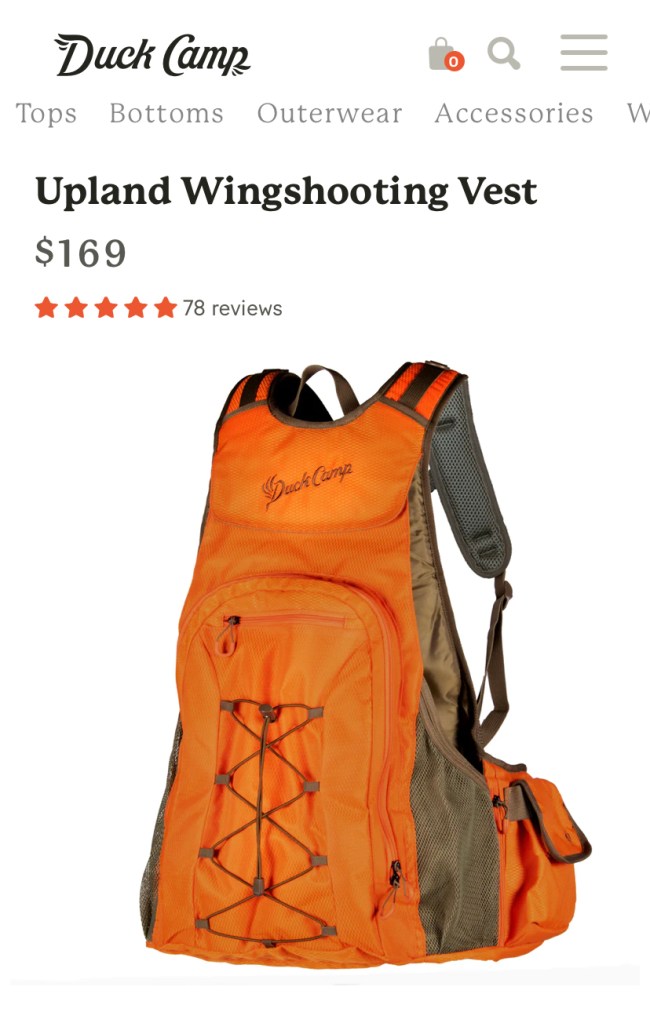
If your father/Husband is a quail hunter then the upland Vest from Duckcamp upland wingshooting vest is a fantastic idea. The vest is light weight, comfortable, and had plenty of pockets and attachment points for any quail hunting adventure. The vest retails for 169.00 and is available from Duckcamps website.
3. Lakewood Products Shotgun case.
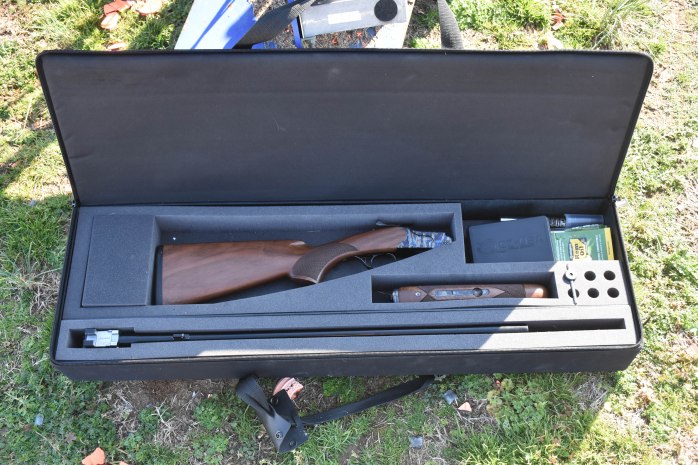
The Lakewood Shotgun case is one of the most important tools in my upland arsenal. This case is both bombproof and stylish. The case retails for 229.00
4. Soundgear Hearing Protection.
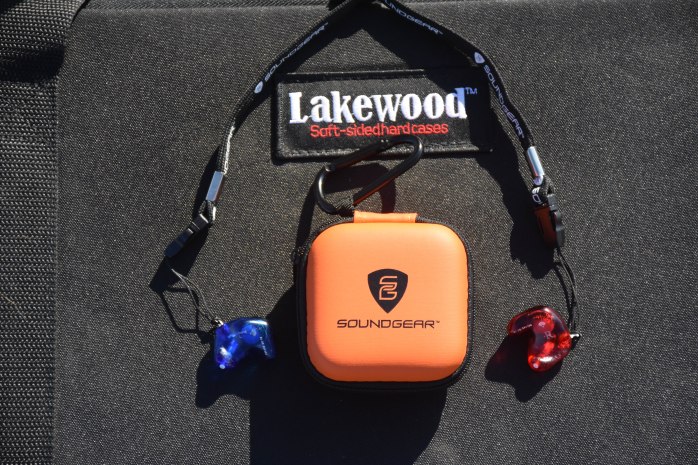
- Pre-programmed to the most common hearing loss range (Normal to Moderate)
- Up to 30 dB of Gain/Amplification (based on hearing needs)
- 22 dB Noise Reduction Rating (NRR)
- 2.4 GHz technology for audio streaming
- Lithium-ion rechargeable battery and custom charger — included!
- 23 hours of battery life including 4 hours of streaming
- Uses: Hunting, Tactical Shooting, USPSA, 3-Gun, Sporting Clays, Trap, Industry and Skeet
These custom fitted modern “earplugs” are the latest in hearing protection technology. MSRP is 1599.00 a pair and are worth every penny.
5. A Quail hunting adventure to Prairie Wildlife in West Point Mississippi
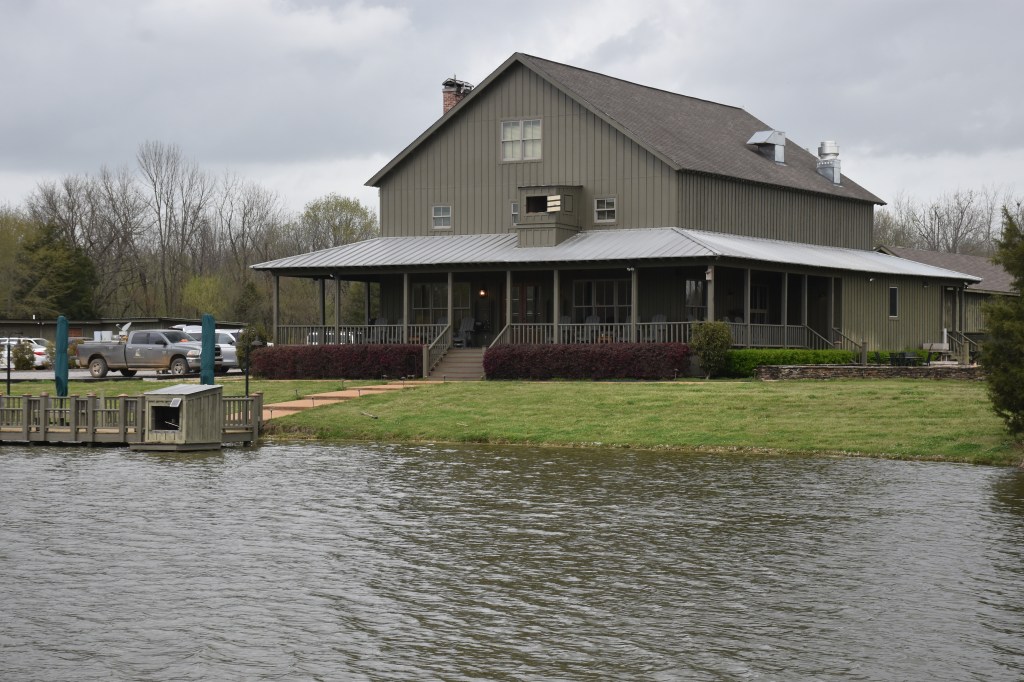
My final gift Idea is an all inclusive weekend at the Premier Quail hunting operation in the south. The packages can include as much or as little as you want however al all inclusive package covers everything except shells and alcohol. A full day, 2 hunts, with food, lodging, guides, and dogs is 1895.00. This is money well spent.
 Troy Basso Outdoors