Troy Basso Outdoors
"Capturing the outdoor lifestyle"
The ultimate wingshooting practice
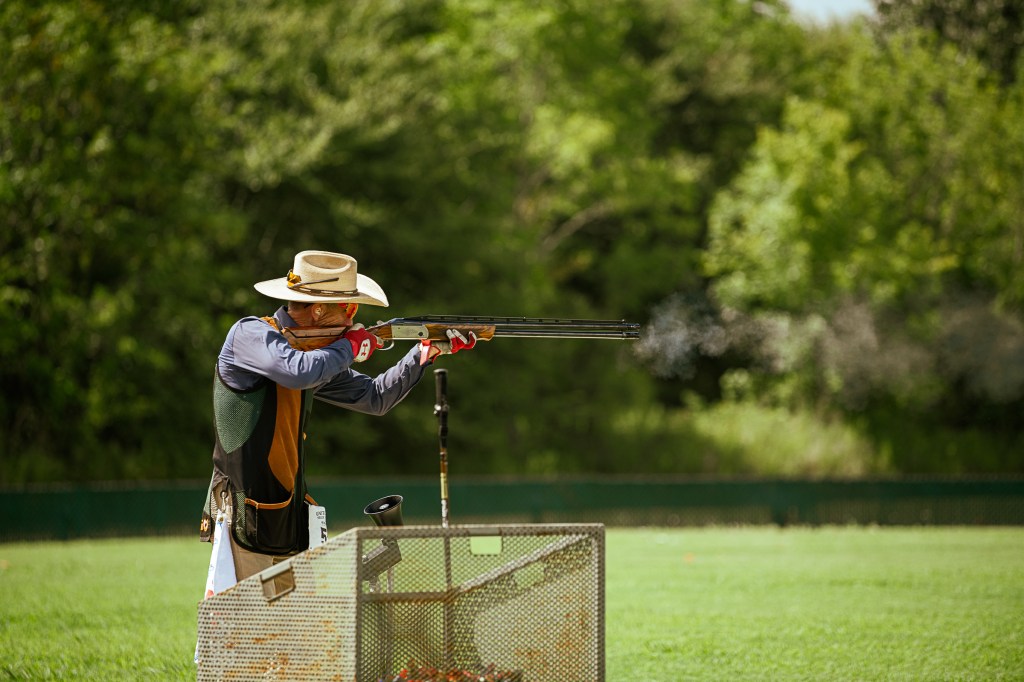
Originally Published in On the Fly Magazine.
Technology has always crept into the outdoors over time, but never like the past 20 years. I still remember when clay pigeon throwers had a pull rope to launch the bird and you had to manually cock them. Then came along some more modern technology that took skeet and trap to the next level. Sometime after that I recall hearing about a thing called sporting clays where there were multiple stations with multiple machines, and you got a different shot at each station. After my first humbling round of sporting clays, I was like “wow” this must be the most realistic way to improve your wing shooting. As the machines got better, the courses got harder and we could not imagine a better was to improve your real-world wing shooting skill set. It was as if we reached the pinnacle of wing shooting practice. Then somewhere along this journey to chase birds around the world I came across a Helice field… That day changed the way I approached wing shooting practice forever.
The sport of Helice originated in Belgium at some point in the 1960’s. Mainly to be a substitute for shooting live birds. Even though Helice is considered a part of the clay target sports there are no clay targets. The term “Helice” means rotating propeller, hence the shape of the assembled target and their propensity to fly extremely erratic.

The targets are two pieces of plastic. One is a set of “wings’ ‘ and the other is the cap. For a shot to be counted the two pieces must separate, and the center cap must fall inside the Helice field. Due to the wings the target flies as close to a live bird as you can get. Even when the same target launches twice in a row the shooter can’t predict the path it will take. This is in part with the speed at which the target is launched. The launcher spins the target at around 5000 RPMs prior to release. The release mechanism is like trap in that a speaker is placed at the shooter’s station. The shooter simply has the say “pull” or anything for that matter to launch a target. In trap there is a single machine so a shooter has a starting point from where the target will come from. In Helice there are 5 launchers in a row placed 5 meters apart. Once the shooter says pull, a computer randomly releases a single bird from one of the five launchers. The Fence is 21 meters past the launchers and the witness cap portion of the target must fall within the fence to score a hit. This is an extremely fast sport and that’s what stumps most new shooters. If you ever wanted to truly learn what instinctive shooting means a Helice field will be your instructor. Many good sporting clay shooters struggle with Helice because there are no breakpoints or hold points. The multiple launchers and erratic flight make this sport the current ultimate challenge with a shotgun.
In Helice a round is called a “race” and consists of 30 target presentations. Each presentation is allowed two shots. The race is fast and getting a second shot off is, at times, a serious challenge. A race is broken down into five sections that are called “cranks”. A crank is five target presentations, or up to 10 shots. You rotate out after your crank 6 times to complete a race.
Most shooters prefer over and under shotguns simply for the ease and reliability of a second shot. Plus, there is the fact a shooter can only load two shells per presentation. Helice is generally a 12-gauge game when it comes to competition shooting. However, this can be shot with any gauge as practice for upland bird hunting. I have personally had great training sessions using my Beretta 686 in 28 Gauge. (There is a whole story in the ballistics of a 28 versus a 12 gauge)
The sport of Helice is sanctioned through FITASC and there is a world championship held every year. The team is selected based on performance at several qualifying events held throughout the year. Most of your great shooters are from the southern United States, only because that is where the lion’s share of the Helice Fields are currently located. You can find a list of Helice fields on the United States Helice Association website. If you want a true challenge and a fabulous time, give Helice a try!
Bass on the fly to beat the summer heat

Originally published in Mid West Outdoors
In my home state of Tennessee July may be considered early summer but, the heat and humidity are simply brutal. That heat can make fly fishing for bass very tough on the bigger lakes in the area. High water temps coupled with bright sunny days make fishing tough, not to mention the volume of post covid pleasure boat traffic. I learned years ago to fish early and late if you want to maximize your time on the water, since 2020 that lesson has been amplified. Also focusing on smaller bodies of water can be extremely productive and can take most of us back to where things all started, in small lakes and ponds.
Fly fishing is not complicated at all. Its the fly fishermen tend to be way over complicated, when it comes to catching largemouth bass. Equipment will never trump a good cast and “fishy instincts”.
RODS & REELS
Any good 6-8 weight rod and reel will get the job done. I prefer a Temple Fork Outfitters Mangrove Coast rod for most scenarios. I said pretty much any rod and reel combo would suffice because a quality line is what makes a rod cast well. When Bass are your target, especially when fishing from the bank, there is generally not much room for much false casting. That’s where a good quality shooting head style line comes in handy, the Rio outbound short is the best option available today. The heaving front section lets you make the most of reasonable casts with limited line in the air.
When it comes to flies for summer bass there are two very defined, and very opinionated, trains of thought. Both have equal merit but tend to spur some spirited conversations among fly fishermen.
We will call the first train of thought the Naturalist camp. This camp is more traditional and believes in “Matching the hatch”, theoretically speaking. There is sound logic to this camp and when bass are eating shad, I would throw a shad type pattern.
The next camp we have the hardcore warmwater fly fishers. They understand you don’t have to “match the hatch” and could care less if a fly looks like anything from this planet at all.
When the day is done both camps catch fish, lots of fish. When it comes to bass all the rules go out the window because even the best science tells us they are ambush predators and opportunistic feeders. In other words, put a fly in front of a hungry, or aggressive bass and they will try to destroy it.
In the heat of early summer any baitfish pattern, popper, diver, or slider will get the job done, some better than others at times.
Due to the heat, fishing early and late is generally the most productive time. Remember when the sun gets up in the sky fish will move deeper or move tight next to some type of cover. Afterall fish don’t have eyelids and can’t simply close their eyes.
When approaching a small lake or pond be cognizant that these smaller bodies of water transmit noise and vibrations much farther than their larger brethren. Stealth is a key component to a successful adventure.
So don’t let the heat and humidity keep you in the house. Grab a rod and box of flies and hot up your local lake as the sun comes up.
5 Fathers day wingshooting gifts that wont disappoint.
We have all gotten “those” fathers day gifts. The socks, ties, and coffee cups that adorn the bottom of a drawer somewhere. I have put together 5 gifts for the Wing shooting dad in your life that are sure to put a smile on that special dads face.

A new shotgun is always a great gift idea but, shotguns can be expensive these days. However CZUSA has cracked the code on affordable side by side shotguns, The CZ Bobwhite is both beautiful and functional. I hunted with one this season and, if i was a single gun guy, this could be the last shotgun a man would ever need. MSRP is 799.00
2. Duckcamp Upland Wingshooting Vest
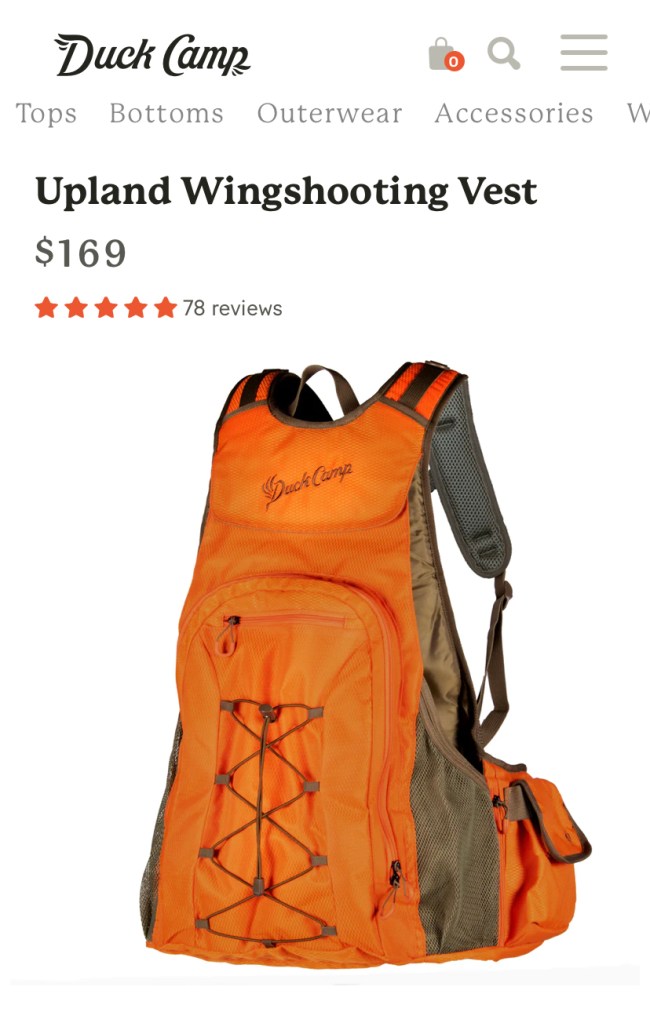
If your father/Husband is a quail hunter then the upland Vest from Duckcamp upland wingshooting vest is a fantastic idea. The vest is light weight, comfortable, and had plenty of pockets and attachment points for any quail hunting adventure. The vest retails for 169.00 and is available from Duckcamps website.
3. Lakewood Products Shotgun case.
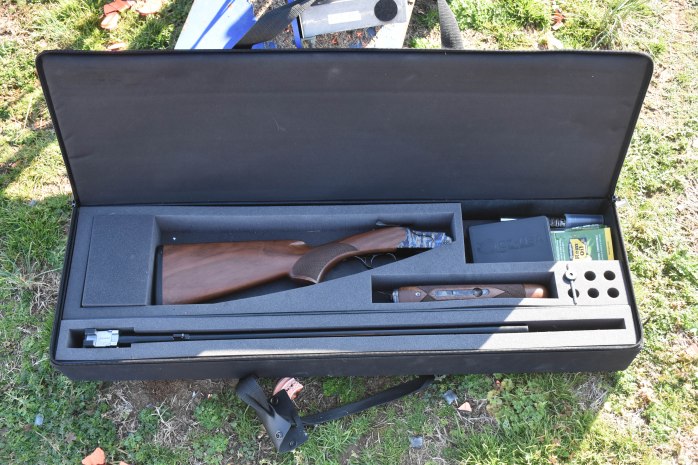
The Lakewood Shotgun case is one of the most important tools in my upland arsenal. This case is both bombproof and stylish. The case retails for 229.00
4. Soundgear Hearing Protection.
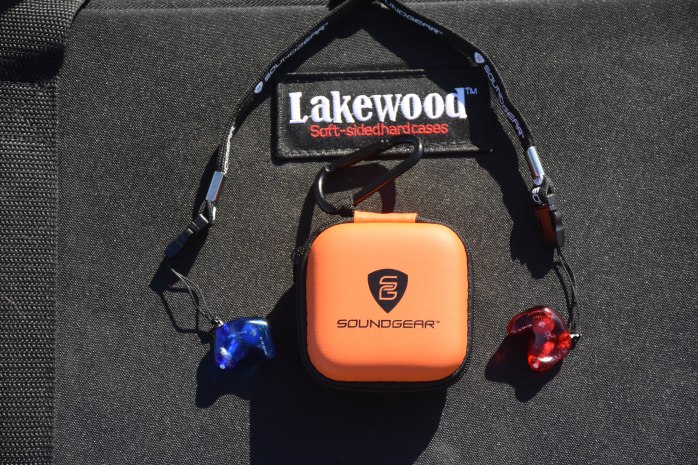
- Pre-programmed to the most common hearing loss range (Normal to Moderate)
- Up to 30 dB of Gain/Amplification (based on hearing needs)
- 22 dB Noise Reduction Rating (NRR)
- 2.4 GHz technology for audio streaming
- Lithium-ion rechargeable battery and custom charger — included!
- 23 hours of battery life including 4 hours of streaming
- Uses: Hunting, Tactical Shooting, USPSA, 3-Gun, Sporting Clays, Trap, Industry and Skeet
These custom fitted modern “earplugs” are the latest in hearing protection technology. MSRP is 1599.00 a pair and are worth every penny.
5. A Quail hunting adventure to Prairie Wildlife in West Point Mississippi
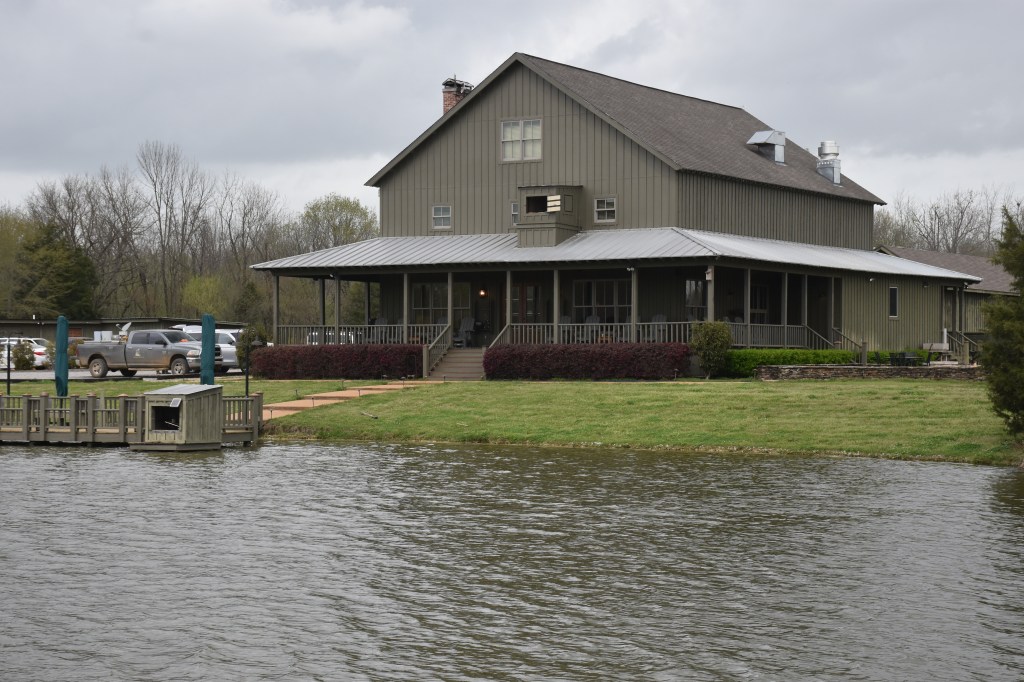
My final gift Idea is an all inclusive weekend at the Premier Quail hunting operation in the south. The packages can include as much or as little as you want however al all inclusive package covers everything except shells and alcohol. A full day, 2 hunts, with food, lodging, guides, and dogs is 1895.00. This is money well spent.
Class: Tying inshore saltwater patterns.

Getting ready for that coastal vacation this summer? Well we have a class for you. On May 20th I am holding a class on tying inshore patterns for Redfish, Snook, Tarpon, and Seatrout. The class will be held at Fly South in Nashville Tennessee. The class is tailored to flies we know work in Florida and the gulf coast area.
Book Review: All The Time in the World by John Gierach

Originally published in On the Fly Magazine
After finishing the latest John Gierach Book “All the time in the world” I immediately grabbed a 5-weight and went trout fishing. John has a way of transporting us through all the bullcrap, so often associated with fly fishing. He has no ulterior motives to promote sponsors, or be hip and cool. He writes to a fly fisherman’s soul by telling us stories about fishing, without telling us how to fish. When I told a journalist friend, and fly fisherman, that I was doing a review on this book his comment was that John had written the same great book a dozen times. I thought about that for a while and had to disagree. Every Gierach book has a cast of characters and unique stories that somehow captivate his readers. His writings give me mental images of people. places, and most importantly dogs. The book opens talking about the fact fishermen are everywhere and takes the reader to a Michigan dock to ponder the cost of fly fishing. Then from that point the reader takes a trip to a not so “prettied up” town in Alaska. Finally we arrive at a camp where “Uncle Fucker” enters the large cast of characters, and somehow makes the reader ponder some environmental issues with out actually talking about environmental issues, that John had introduced us all to over the years. After that we go on a series of adventures both near and far with John and his cast of friends, guides, and even Moose the fishing Labrador.
These books, especially this one, are a must have in every angler’s book collection. My collection of John Gierach books are all on a shelf above both Hemmingway and Tom McGuane.

