Troy Basso Outdoors
"Capturing the outdoor lifestyle"
The bushytails of fall
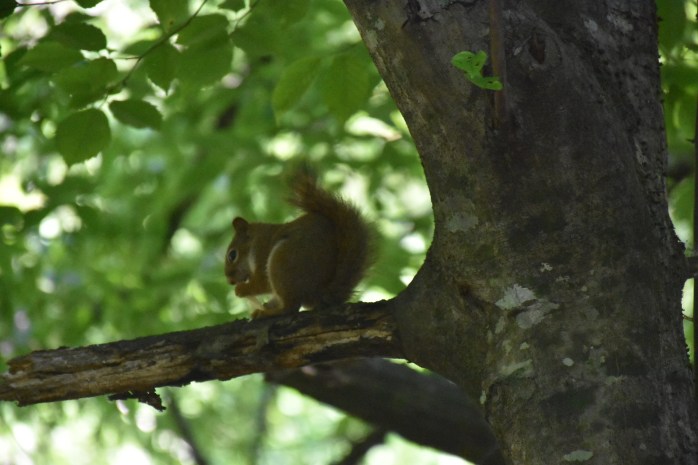
Originally Published in Mid West Outdoors
Many years ago, before the advent of the internet, people used to hunt small game religiously. There was no hype about nonresident tags out west, or a constant visual battery of “how to grow big deer ads flashing across a screen. People used to hunt small game because it was fun and a great way to put some meat in the freezer. Also, this was in part because deer were not as abundant as they are today, and the bag limits were much smaller. There were times in the 80’s just seeing a deer was cause for celebration.
In most southern and mid-western states squirrel season was the first season to open, so most outdoorsmen were eager to pursue the crockpot sized quarry. For the youth of the era hunting squirrels was not only a rite of passage but also a vehicle to learn basic woodsmanship and hunting skills. Squirrels were the gateway to hunting season through most of the 80’s and 90’s.
Here in Tennessee & Kentucky squirrel season starts roughly a month prior to any other season, and the woods are all but empty, except for the occasional soul scouting for the archery opener. I too tend to be scouting for archery season during that time because squirrels and deer both have similar tastes regarding hard mast food sources, I just choose to scout with a 28 gauge in my hands. I do find it concerning that the youth of today won’t have the memories of learning bushcraft from their elders while pursuing a worthy, and plentiful adversary.
My first shotgun came as a surprise gift at the tailgate of my father’s truck during my first opening day hunting trip. That old topper model 20 gauge put a lot of small game in the freezer over the past 40 years. To this day it’s my most treasured memory and shotgun.

On opening day, I always hunt the same piece of public property and I have yet to be forced to compete with any other hunters for a limit of bushytails. Although squirrels are seemingly everywhere they are not dumb nor easy to hunt. There are a few key things that can shorten the learning curve and provide the novice with their first wild game meal.
First is stealth. Stealth is key to a successful fall hunt. Squirrel hunting is more than finding a comfortable tree to lean against. Although low on the modern hunters “hit list” they are a cagey opponent, especially in the typical dry late summer woods. We have all noted how loud a squirrel can sound when we are deer hunting, they sound like an elephant coming across a dry forest floor. Now imagine how we sound to them on the same dry and crunchy leaves of fall. Once you alert a single squirrel in a given woodlot, they will use vocals and let every other animal in the area know something is not right. While watching a hickory tree one day a bobcat wandered through the area and a single squirrel saw him. In a few seconds, and a bark or three, the entire woodlot had gone silent and still. Squirrels in the big woods are not the same as the ones your dog chases in the park for sure. Their survival depends on their ability to see and warn others of a predator’s presence.
Location is next in line. The most successful fall hunters typically focus on soft mass and crop edges in the very early season. Early in the season the mast crops are not mature and ready for consumption. Conversely the farm crops and wild berries are ready. After that Hickory nut trees are the most productive place to look. Then shortly after piles of cuttings start showing up under the hickory trees the white oaks will be ready. Fall is stockpile time for squirrels so focusing on hard mast food sources will almost always produce a limit of nice young gray squirrels.
Last but most certainly not least is to learn to use a call. Squirrels are very vocal animals and will readily react to a call. Now, they won’t come running like a predator to a prey call. They will react and that reaction is all you need. A squirrel will almost always reposition itself to face the direction of a bark or squeal. That movement can be the game changer when the trees still have all their leaves. Use the call to solicit movement and possibly a vocal reply. I have started using the Primos Squirrel buster call. It’s simple to use and fits in your pocket.
If your quarry is big old fox squirrels, you may have to get even more of the beaten path. They tend to stay in the far reaches of big hardwood hollows and way back in river bottom flats that have stretches of hard wood trees close to a water source. So, get out and start chasing the abundant small game opportunities we have, even better if you take a youngster out and introduce them to the time honored art of small game hunting.
 Troy Basso Outdoors