Troy Basso Outdoors
"Capturing the outdoor lifestyle"
How to prevent frostbite
Between hunting and fishing it seems we all manage to pick the nastiest weather to pursue our passions. After all, just because it’s twelve degrees it’s no big deal, especially when it’s your first day off in weeks. A little prior knowledge and preparation can insure many more days afield or on the water.
Frostbite is the condition that happens when the skin tissue or the blood tissues are damaged from the cold. Generally this occurs in temperatures below 32 degrees Fahrenheit. Uncovered parts of the body such as the ears, cheeks, nose, extremities such as the toes and for anglers the fingers are all susceptible to frostbite.
Basically frostbite can be broken down into three levels of severity.
Frost nip– Gives you a ” pins and needles” feeling and the skin turns white and soft. It’s a little painful but no damage will occur if noticed early.
Superficial frostbite– Makes your skin feel numb and possibly waxy. Blisters are also possible. The skin will freeze and ice can form in the tissue. The underlying tissue remains soft.
Deep Frostbite– Affects the blood vessels, muscles and in severe cases the nerve endings. It has the potential to cause permanent damage such as blood clots or possibly gangrene. The affected area becomes completely numb and generally will blister. When a person gets frostbite, prompt treatment is required to avoid potentially losing a limb.
Treatment
- Re-warm the frostbitten area.
- Bring the victim inside or get near a warming fire.
- Warn the damaged area by using warm towels or warm CIRCULATING water, warm not HOT.
- If warm water is not available, cover the area with a warm object. DO NOT use DRY heated objects like a heating pad.
- Do not rub or try to pop any blisters.
- Never hold the frostbitten area close to a fire as the tissue is numb and the victims could easily burn themselves and not know it.
- Drink warm liquids but never alcohol.
- Elevate the frostbitten area.
After warming, a superficial frostbite will turn red and be painful but this is normal. A deep frostbite injury will feel hard or wooden and may turn blue when warmed. As soon as possible get professional medical help.
Prevention
- Wear warm clothing and use gloves, scarves, hats and mittens.
- Stay dry.
- Carry extra clothing in case of unexpected weather changes.
- Use skin moisturizer in exposed skin such as the nose and cheeks.
- Watch for the warning signs of frostbite at all times.
Keep in mind that even when the air temperature is above freezing the wind-chill can cause frostbite also. People who have had a frostbite injury before are especially susceptible to it happening again.
Hypothermia… The Quiet Killer

As anglers and hunters we all tend to be outdoors in some of the worst mother nature has to offer. Of all the bad things that could happen to us, hypothermia is the single most dangerous thing out there. It is the number one killer of outdoor enthusiasts nation wide. This silent killer knows no boundaries, so whether you’re elk hunting in the Rockies or steelhead fishing in the northeast you could be it’s next victim.
What is Hypothermia?
Hypothermia is the condition that happens when your body’s core or inner temperature drops below 96 degrees Fahrenheit. It can happen in ambient air temps as high as 70 degrees but generally happens in the 30 to 50 degree range. Exposure to cold, wet, or windy conditions can accelerate it’s onset. A common misconception is that it has to be freezing before you have to worry about hypothermia. Nothing could be farther from the truth. Hypothermia can be broken down into these two primary levels.
Chronic hypothermia
This happens over a long period of time.
- Results from exposure to wind and wetness combined with exhaustion.
Acute Hypothermia
This happens when you fall into very cold water. When dealing with cold water, life expectancy is reduced, but YOU CAN SURVIVE.
- Keep your clothing on, as it will help to trap your body heat.
- DO NOT EXERCISE.
- Stay still in water and DO NOT splash around. Moving water takes away body heat more rapidly than staying still.
- When waterfowl hunting or angling, always wear a sportsman’s float coat or a floatation device. They help to insulate the body.
- Draw legs into chest and wrap arms around in a self-huddle.

Symptoms
- Skin becomes BLUE/GRAY in color.
- Violent shivering develops, giving way to muscle spasms and even loss of the use of your arms and legs. Shivering, which is initially violent in the body’s effort to correct the problem, diminishes (at 33 degrees core temperature and below). As this process too is overwhelmed, shivering action falters and could cease.
- Confusion and drunken like behavior also indicates a person may be hypothermic.
- Once shivering has stopped, so too does the body’s effort to ameliorate the situation. Consciousness is impaired, and will be lost altogether (30 degrees core temperature) as cold takes over.
- The victim’s body begins to shut down to conserve warmth around the heart, so much so that pulse and respiration rates can drop to almost imperceptible levels. No further active process remains for self-generation of heat and gradually a passive shutdown of vital systems takes place.
Prevention
Attempt to stay warm and dry. Dress in layers so you can add or remove clothing as the situation warrants. Put on your cold weather gear before you’re miserable and always get into your rain gear before you’re soaked. Drink lots of warm liquids. Do not drink alcohol as it gives your brain a false sense of warmth. Most importantly, stop and get warm if you even think you or your partner has hypothermia.
Treatment
Treating hypothermia means getting heat back into your body, thus raising the core temperature. Get dry and warm as fast as you can. If a fire can be built do so immediately. Stay by the fire until help arrives or you know you can reach shelter unassisted. In the event of a fall into the water fast action is required, as this is the most deadly form of this condition. Immediately get the victim to a fire and start getting them warm. Change them into dry clothing. Have them lie still as physical exertion is not a good idea. If a sleeping bag is available have them get into it, then you get in with them. Time is crucial and you must get their core temperature back up as soon as possible. SEEK MEDICAL ATTENTION ASAP!
Enjoying the outdoors should be a fun, memorable experience. In order to keep it fun we all need to be aware of potential hazards and know how to not only prevent but also treat a situation such as hypothermia. The old saying, “an ounce of prevention is worth a pound of cure” must have been written with outdoor enthusiasts in mind.
TWRA on the Job

I am forever hearing people complain about the TWRA not doing much of anything. Well this weekend while fishing Percy Priest I was witness to the local officer checking fishing licenses.
Anyone who has fished Stewart’s Creek knows there is always a plethora of anglers setting on the rocks to the left of the creek channel. We all know the area, its generally covered up in litter…

The officer got out of his boat and checked those anglers. Good Job to the Agency. We cant be quick to criticize unless we are equally quick to praise.
Percy Priest Report 10/28/2017

Things are a little tough out there right now. With the lake somewhere between summer and winter pool you have to work for the fish. Myself and my friend B’nM Pro staff manager Kent Driscoll gave them a shot.
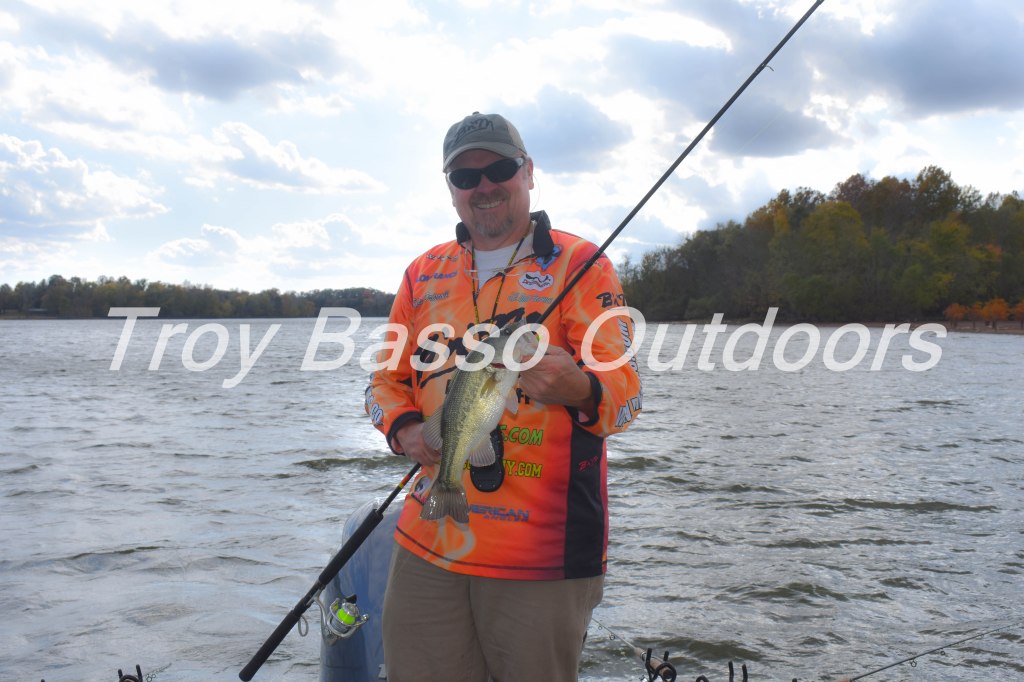
We caught a few off target fish that were fun None the less.

Then we caught a few decent crappie. The fish are scattered right now between 5-18-feet of water. You can see big schools but catching them is a different story. I think once we get to winter pool and stabilize the fishing will light up.
Bryant’s Osage Outdoors
 It seems I have been conditioned to the level of service we get at the large big box sporting goods stores. You know its a lot like Walmart on a Friday night, in other words it just sucks. I have often missed the privately owned “Johns Sport and Marine” type tackle shops, and even more often I have missed that personal experience.

Well let me tell you about Bryant’s Osage Outdoors in Laurie Missouri. This place is the real deal folks. They have been in business for 21 years here at Lake of the Ozarks, and their tackle selection is very lake specific.

There is a 100+ member Bass club that fishes out of the shop as well. That tells me that they really know the lake. Even though Bass are a popular species here the crappie fishing is also very good. In fact, its so good the American Crappie Trail held their national championship here just last week.

Customer Service is where they really excel. Last week I saw professional anglers calling in their bait orders and the bait being ready when they arrived for the boat check! I also saw an angler who had some tire trouble one morning during the tournament. The owner of the shop took the tire and had it repaired while the angler fished! That right there is some of that “next level service”.
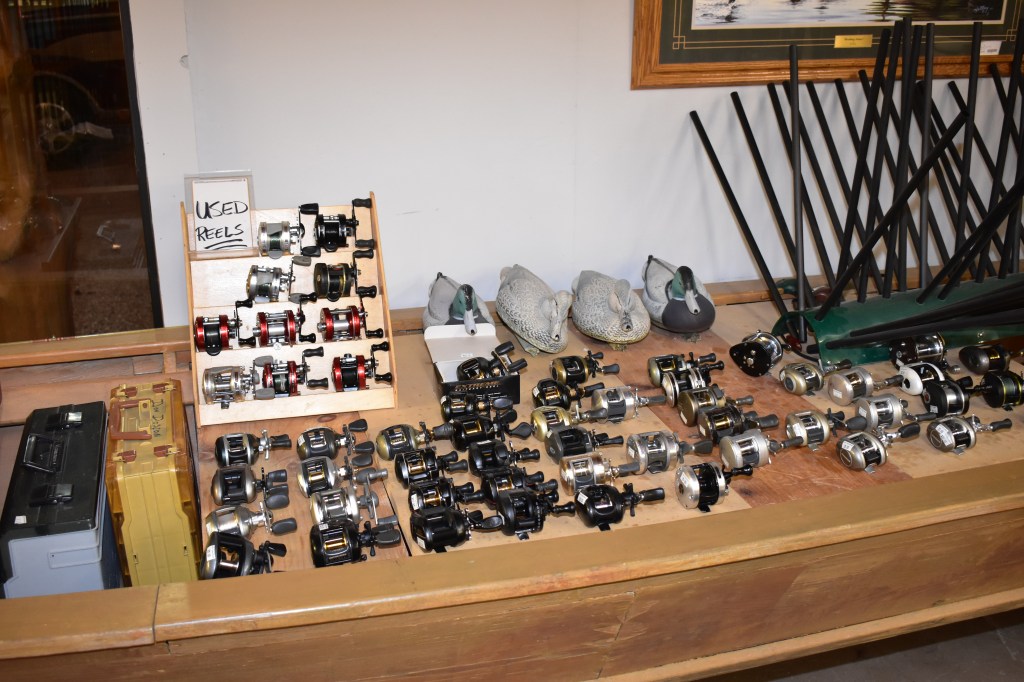
They also offer reel repair and service in house. There is a great selection of used reels for sale as well. If you get in the Laurie Missouri area this is the tackle shop to visit. Their coffee is always hot and the service is out of this world.


