Troy Basso Outdoors
"Capturing the outdoor lifestyle"
Navigating Winter: Identifying & Treating Frostbite.
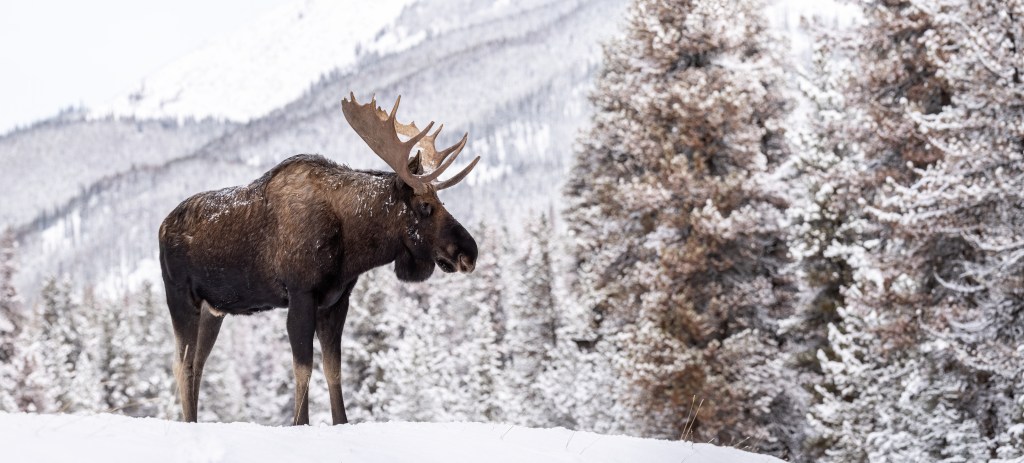
As winter blankets the world in a serene layer of snow, the season also brings the potential risk of frostbite. Understanding how to prevent and treat frostbite is vital for ensuring a safe and enjoyable winter experience. In this comprehensive guide, we will delve into the causes of frostbite, effective prevention techniques, and essential treatment methods tailored to each level of severity.
What is Frostbite?
Frostbite occurs when skin and underlying tissues freeze due to exposure to extremely cold temperatures. The severity of frostbite is categorized into different levels, ranging from mild to severe, with common targets being the extremities such as fingers, toes, nose, and ears.
Prevention Tips:
- Dress in Layers: Embrace the power of layering for better insulation. Begin with a moisture-wicking base layer, add an insulating layer, and finish with a waterproof and windproof outer layer.
- Guard Your Extremities: Protect vulnerable areas like hands, feet, ears, and nose with insulated gloves, warm socks, and a snug hat that covers your ears.
- Stay Dry: Wet clothing elevates the risk of frostbite. Opt for waterproof outer layers and avoid prolonged exposure to damp conditions.
- Keep Moving: Maintain physical activity to generate body heat. Regular movement helps sustain circulation, reducing the risk of frostbite. Factor in the wind chill, as it can expedite heat loss.
- Stay Hydrated and Well-Nourished: A well-rounded diet and adequate hydration regulate body temperature. Warm beverages are particularly effective in preventing heat loss.
Recognizing Frostbite:
Promptly identifying frostbite symptoms is crucial for effective treatment. Keep an eye out for:
- Numbness or Tingling: Loss of sensation or tingling in the affected area.
- Pale or Firm Skin: Skin may appear pale, white, or unusually firm to the touch.
- Joint or Muscle Stiffness: Difficulty moving the affected body part.
Levels of Frostbite:
- First Degree (Superficial):
- Involves only the outer layer of the skin.
- Symptoms include numbness, redness, and slight swelling.
- Swift recovery with proper care.
- Second Degree (Partial Thickness):
- Affects both the outer and underlying layers of the skin.
- Symptoms include blistering, increased swelling, and intense pain.
- Requires prompt and appropriate treatment.
- Third Degree (Full Thickness):
- Extends into deeper tissues, affecting muscles and possibly bones.
- Symptoms include a complete loss of sensation and significant tissue damage.
- Urgent medical attention is essential.
Treatment Methods:
- Get Inside: Immediately relocate to a warm environment if frostbite is suspected.
- Remove Wet Clothing: Eliminate wet items to prevent further heat loss and replace them with dry, warm clothing.
- Gradual Rewarming: Use warm (not hot) water to gradually rewarm the affected area, avoiding direct heat sources.
- Stay Hydrated and Nourished: Rehydrate and consume warm, high-energy foods to aid recovery.
- Seek Medical Attention: Severe cases demand professional medical assistance. If symptoms persist or worsen, seek immediate help.
By adopting proactive measures to prevent frostbite and recognizing its stages, you can relish the winter season responsibly. Dress appropriately, stay dry, and remain vigilant for symptoms. In the event of frostbite, swift and appropriate action can significantly impact recovery. Embrace the winter wonderland with caution and warmth, ensuring that the cold becomes a source of joy, not a cause for concern. Stay warm, stay safe, and enjoy the beauty of winter responsibly!
Call to action: Brooks Range Alaska

From now through December 22, you can help save Alaska’s largest connected park landscape from the toxic impacts of open-pit mining. This holiday season, stand with Alaskan communities to protect the Brooks Range and reject the Trump-era 211-mile industrial Ambler Road. Male your voices heard here or at https://www.patagonia.com/protect-alaska-public-lands/?fbclid=IwAR25PafwDr_vBTe8zviIRSgsfIwSmZ-qaiHNiZEI6_IfGywDtoZOm9h4bmI&utm_source=instagram&utm_medium=Organic%20Social
Ultimate Buyer’s Guide to Upland Hunting Shotguns
Ultimate Buyer’s Guide to Upland Hunting Shotguns
Upland hunting is an exhilarating pursuit that demands a reliable and efficient shotgun. Whether you’re a seasoned hunter or a beginner, choosing the right shotgun can greatly impact your hunting experience. In this comprehensive buyer’s guide, we’ll explore three top contenders: the CZ Bobwhite, Beretta Silver Pigeon, and Browning Citori. We’ll provide insights and specifications to help you make an informed decision while optimizing your search for the perfect upland hunting shotgun.
Why Choose the Right Upland Hunting Shotgun?
Upland hunting requires a shotgun that combines precision, durability, and ease of handling. Your choice of shotgun should depend on factors such as your experience level, hunting style, and budget. Here’s a closer look at the top contenders:
1. CZ Bobwhite
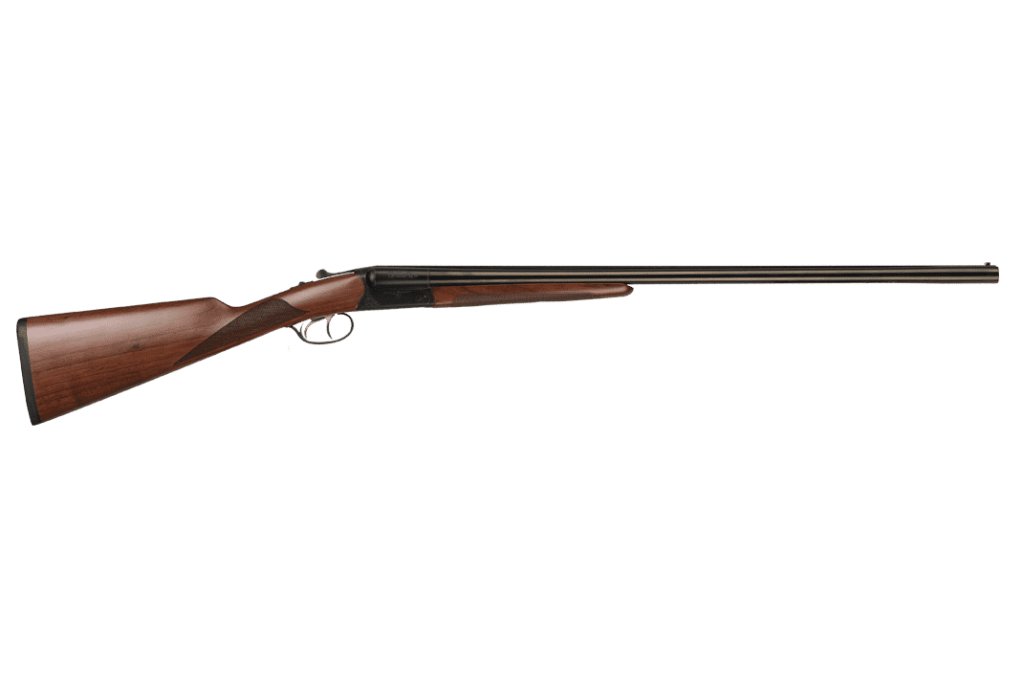
The CZ Bobwhite is a popular choice among upland hunters, known for its timeless design and exceptional craftsmanship. Key features include:
- Double-Barrel Design: The CZ Bobwhite comes in a classic side-by-side double-barrel design, which is ideal for quick and accurate target acquisition.
- High-Quality Materials: Crafted with a walnut stock and blued steel, the CZ Bobwhite exudes quality and durability.
- Caliber Options: Available in various calibers to match your hunting preferences, including 12 and 20-gauge.
- Affordability: Offers a compelling price point, making it an excellent choice for budget-conscious hunters.
2. Beretta Silver Pigeon
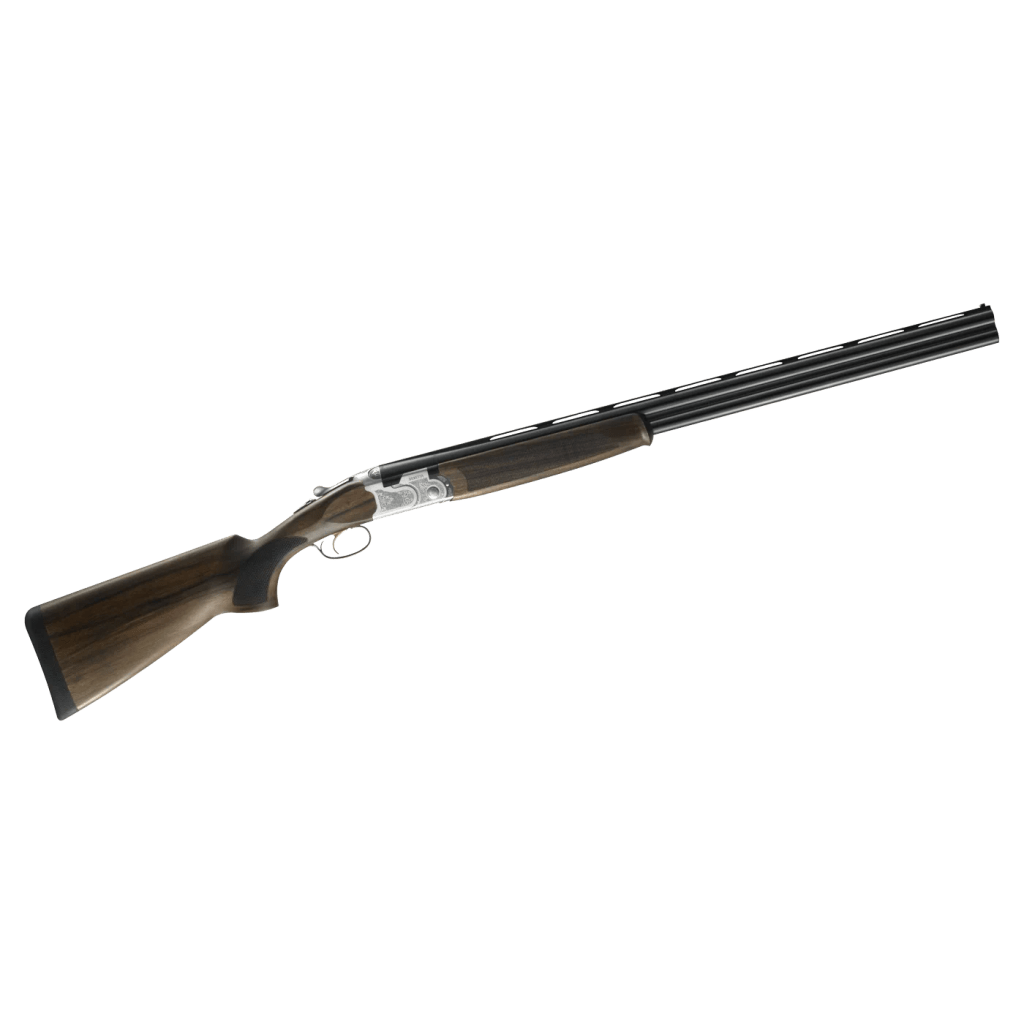
The Beretta Silver Pigeon is a testament to Italian gunsmithing expertise, renowned for its elegant design and reliable performance. Notable features include:
- Over-and-Under Design: The Silver Pigeon is an over-and-under shotgun, providing a lower profile and more streamlined pointing.
- Optima-Choke HP: The shotgun is equipped with the Optima-Choke HP system, enabling precise choke selection for different shooting scenarios.
- Quality Materials: Crafted with select walnut and steel components, the Silver Pigeon is built for longevity.
- Variety of Gauges: Available in 12, 20, 28, and .410 gauges, allowing hunters to select the ideal caliber for their needs.
- Versatility: Suitable for various types of upland game birds and conditions, the Beretta Silver Pigeon is a versatile choice.
3. Browning Citori

The Browning Citori is a respected name in the world of shotguns, recognized for its outstanding reliability and performance. Key attributes include:
- Over-and-Under Design: The Citori features a reliable over-and-under design, ensuring precision and easy target acquisition.
- Invector-Plus Chokes: With the Invector-Plus choke system, the Citori provides versatility in shot pattern and range.
- High-Grade Wood: Many Citori models boast exquisite woodwork, enhancing both aesthetics and durability.
- Gauge Selection: Available in various gauges, including 12, 20, 28, and .410, ensuring suitability for all upland hunting situations.
- Recoil Reduction: The Browning Citori often features technologies for reduced recoil, making it comfortable for extended hunting sessions.
Factors to Consider
Fit and Feel
Ensure the shotgun you choose feels comfortable in your hands, with the right length of pull and stock dimensions for your physique.
Choke Selection
Consider the choke system of your shotgun, as it impacts shot pattern and range. Each of these shotguns offers versatile choke options.
Budget
Select a shotgun that fits your budget while meeting your requirements. The CZ Bobwhite is an excellent entry-level option, while the Beretta Silver Pigeon and Browning Citori offer premium features at a higher price point.
Durability
Look for shotguns constructed with high-quality materials that can withstand the rigors of upland hunting.
Gauges
Choose the appropriate gauge for your hunting needs, with consideration for the type of game you plan to pursue.
Conclusion
When it comes to upland hunting shotguns, the CZ Bobwhite, Beretta Silver Pigeon, and Browning Citori stand out as top contenders. Your ultimate choice should be based on your specific requirements, preferences, and budget. Regardless of your decision, investing in a reliable and well-suited shotgun will undoubtedly enhance your upland hunting experience. Happy hunting
The Fly Tyers Christmas gift guide.
Choosing Christmas gifts for a fly tyer can be difficult. Below are some quality gifts and stocking stuffers for the fly tyer in the family. Hopefully this list will make your shopping easier and keep the holiday stress to a minimum.

Renzetti Tool Bar & Station 59.95
A great tool organizer, designed to hold a number of fly-tying hand tools including scissors, and an Enhancement Plate. It is made out of aluminum and will fit any 3/8 stem. Its locking mechanism is superior to any toolbar on the market. It comes in 2 sizes and a number of colors to customize your vise.

Loons Outdoors UV Infiniti light 65.00
Fly tying’s first rechargeable UV light
Powerful enough for professional tyers and rechargeable using a standard USB cable, this is the light without limits. The UV Infiniti Light is the most powerful, most environmentally friendly light we’ve ever offered.

Cermag Bobbin 45.99
f you are tying larger flies, or especially those that have longer shanks like streamers and saltwater flies, the CerMag offers you the additional length you need. And often times, these flies require heavier, tougher thread–which is why we have built this bobbin with a high-quality ceramic tube, to help you avoid cutting thread due to extreme wear and tear.
The durability and length of the CerMag will keep you cranking out those hefty patterns all year long.

Tailwater Fly Tying Kit 199.95
Whether you’re spinning up flies on the road, or your family is just sick of you turning the dining room table into your tying office, organization and accessibility are key. The Tailwater Fly Tying Kit offers more of both for professional tyers and beginners alike. Four large see-through pouches and a padded storage compartment offer plenty of space for your arsenal of materials, including long, delicate capes. Forget about letting your scissors, bobbins and other accessories rattle around the bottom of your bag. Our new tool station and thread spool tray will keep everything, including your heavy pedestal base, safe and secure. To top it all off, the removable tying station, complete with hook and bead compartments, ensure that you’ll always have a flat surface to tie on. It’s time to take the show on the road.
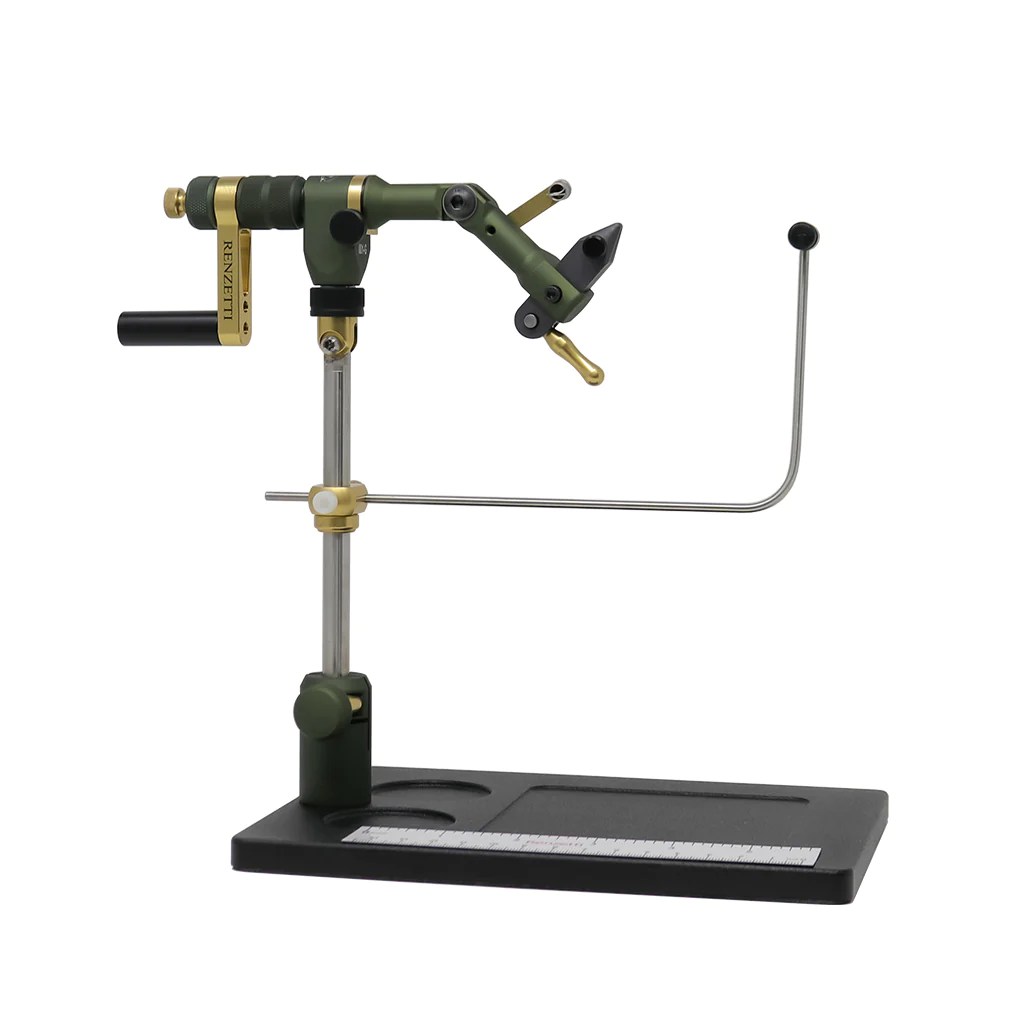
Renzetti Master Series Vice 935.99
The Renzetti Master Vise is so named because it does it all. Featuring a patented jaw mechanism that securely holds hooks from a #28 to 10/0, this vise is the vise for the tyer who turns out everything from tiny trout flies to feather dusting sized billfish offerings.
If you are a production tyer or a serious saltwater buff, this is the vise to own. With the advanced rotary actuator, the independent position of the fly and the crank arm affords total versatility in all rotary functions. Without question, the Master is the most advanced and most versatile vise available today. This Vice can be found at Fly South and many other retailers nationwide,
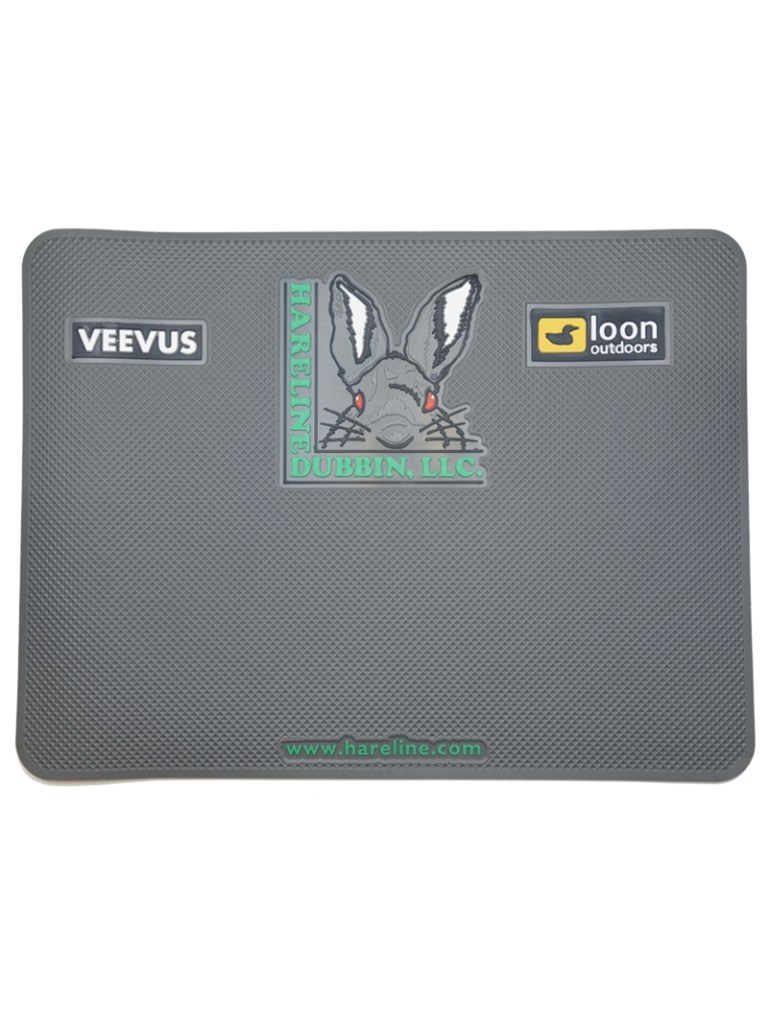
Hareline Tying Pad 32.95
The dimpled surface of Hareline tying pad pad will keep your hooks and beads from rolling or sliding away. The smooth silicone surface on the reverse side can be used for adhesives or epoxies and they will not stick, making it easy to clean. Great for setting up your work space and protecting the finish on your home tying bench. And, this pad will not slide around on your bench! 23 1/4″ x 17 1/2″
The perfect Christmas gift for the outdoors person in the family

35.00 Annual Membership
A Vision for Backcountry Conservation
A membership to the Backcountry Hunters and Anglers is the perfect stocking stuffer for the outdoor person in the family. ITs a gift that gives back to conservation all year long!
Our freedom to hunt and fish depends on habitat. While many of us enjoy hunting and fishing on a range of landscapes, including farm fields and reservoirs, there is something special – even magical – about hunting deep in the backcountry or fishing on a remote river.
Wilderness hunting and fishing deliver a sense of freedom, challenge and solitude that is increasingly trampled by the twin pressures of growing population and increasing technology. Many treasured fish and wildlife species – such as cutthroat trout, grizzly bear and bighorn sheep – thrive in wilderness. Others, like elk and mule deer, benefit from wilderness. From the Steens Mountain Wilderness in Oregon to the Frank Church-River of No Return Wilderness in Idaho and the Boundary Waters of Minnesota, BHA members treasure America’s wilderness system and strive to add to it.
We take the advice of Theodore Roosevelt: “Preserve large tracts of wilderness … for the exercise of the skill of the hunter, whether or not he is a man of means.”
 Troy Basso Outdoors